Friday, July 31, 2026

How Automated Straw Charcoal Making Machine Improves Production Efficiency and Quality Control

 The increasing demand for renewable carbon materials has encouraged the development of advanced biomass processing technologies. Agricultural residues such as rice straw, wheat straw, and corn stalks are widely available but often face disposal challenges due to seasonal accumulation and inefficient utilization. An automated straw charcoal making machine provides an effective solution by converting these low-value biomass resources into high-quality charcoal products while improving production efficiency and process stability.

Automation has become a critical factor in modern biomass carbonization systems. Compared with traditional manual charcoal production methods, automated equipment offers precise process control, reduced labor requirements, and more consistent product quality. These advantages make it increasingly suitable for commercial-scale renewable energy and biomass recycling projects.

Automated Feeding Improves Production Continuity

Material preparation and feeding are important stages that directly influence carbonization efficiency. Traditional production methods often depend on manual loading, which can cause uneven material distribution and unstable processing conditions.

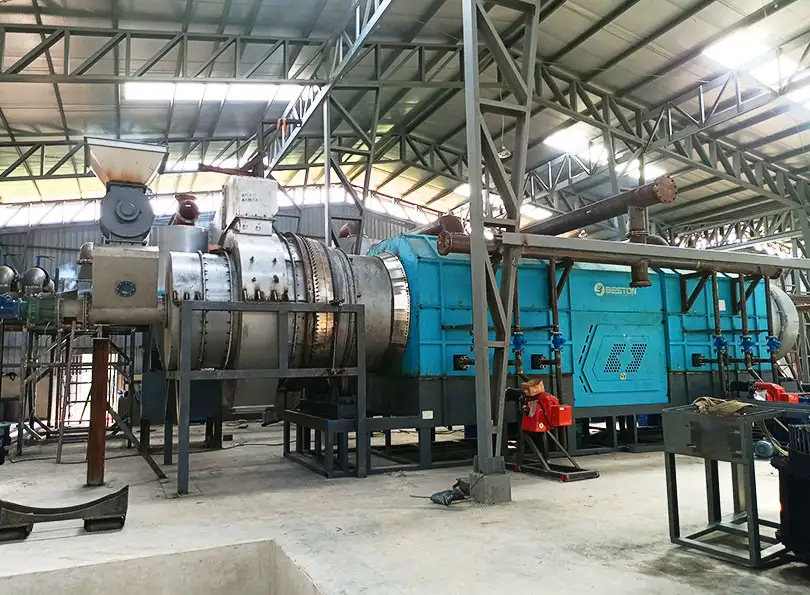
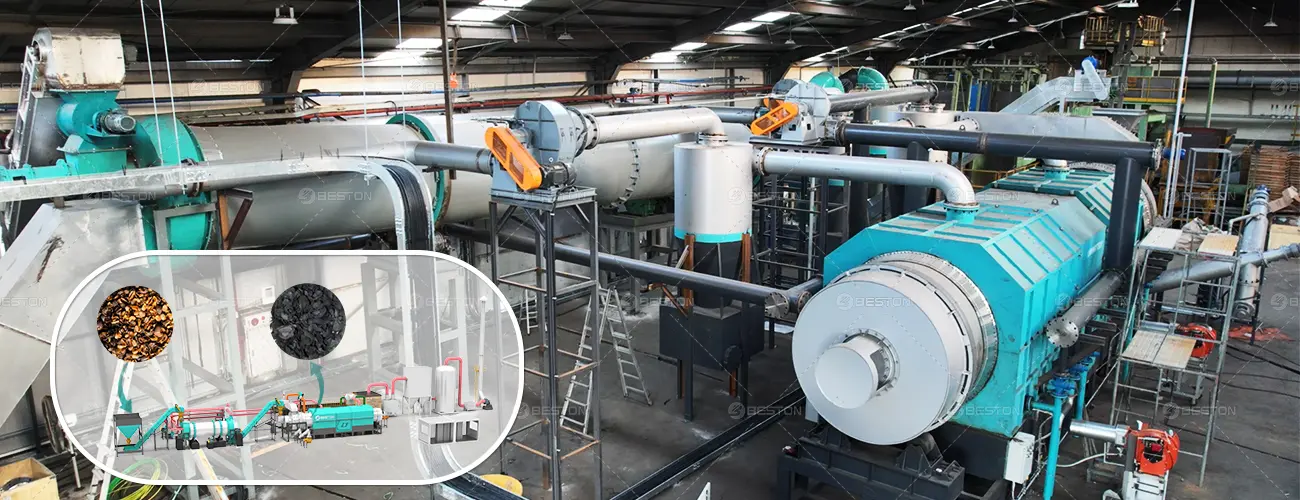
A modern straw charcoal making machine integrates an automatic feeding system that delivers biomass materials into the carbonization chamber at a controlled rate. This continuous material supply reduces interruptions and ensures that each production cycle operates under stable conditions.

The automated feeding mechanism also minimizes labor intensity. Operators no longer need to frequently handle raw materials, allowing them to focus on equipment monitoring and production management. This improves overall operational efficiency and creates a safer working environment.

Precise Temperature Control Enhances Carbonization Quality

Temperature management is one of the most important factors affecting charcoal quality. Excessive temperature may cause unnecessary material loss, while insufficient heating can result in incomplete carbonization.

Automated control systems use sensors and intelligent monitoring technology to regulate temperature changes throughout the carbonization process. The system can adjust heating intensity according to real-time conditions, maintaining an optimal thermal environment inside the reactor.

This precise regulation improves the stability of fixed carbon content, moisture level, and combustion performance. As a result, the final charcoal product achieves more consistent quality compared with manually operated systems.

Intelligent Monitoring Reduces Operational Errors

Industrial biomass processing requires reliable monitoring to maintain long-term performance. Manual operation often depends on operator experience, which may lead to variations between different production batches.

An automated straw charcoal making machine uses a centralized control platform to monitor key parameters such as temperature, pressure, processing time, and equipment status. Any abnormal condition can be detected quickly, allowing operators to make timely adjustments.

This digital management approach reduces human error and improves production reliability. It also provides valuable operational data that can be analyzed to optimize future production processes.

Energy Efficiency and Resource Utilization Improvement

Automation technology contributes to better energy management by optimizing fuel consumption and heat distribution. Traditional carbonization methods may lose energy due to inefficient combustion or poor thermal control.

Advanced charcoal production equipment utilizes improved heating structures and waste gas recycling systems. The combustible gases generated during carbonization can be collected and reused as a supplementary energy source, reducing external fuel requirements.

By improving thermal efficiency, automated systems lower operating costs while supporting more sustainable biomass utilization. This is particularly important for large-scale projects where energy consumption directly affects profitability.

Consistent Product Quality for Commercial Applications

Quality control is a major concern in charcoal production because different applications require specific product characteristics. Barbecue charcoal, industrial fuel charcoal, and agricultural biochar may have different requirements for density, carbon content, and burning performance.

Automated production technology ensures that processing parameters remain consistent across multiple batches. This helps manufacturers produce standardized charcoal products that meet market expectations.

The ability to maintain stable quality also improves customer confidence and expands application opportunities. Businesses can develop reliable supply chains while reducing product variation caused by manual processing differences.

Future Development of Automated Biomass Carbonization Technology

The development of automation, artificial intelligence, and digital monitoring will continue improving biomass carbonization systems. Future equipment will likely incorporate more advanced control algorithms, remote operation capabilities, and predictive maintenance functions.

The automated straw charcoal making machine represents an important advancement in agricultural waste utilization. By combining precise process control, energy efficiency, and reliable production performance, it transforms biomass residues into valuable renewable carbon products.

As global industries continue to focus on circular economy practices and renewable energy solutions, automated charcoal production technology will play an increasingly important role in improving resource efficiency and supporting sustainable development.

Friday, July 24, 2026

How Automated Continuous Plastic Pyrolysis Plant Improves Safety and Production Stability

 The increasing volume of plastic waste has created significant pressure on industries to adopt more efficient and environmentally responsible treatment technologies. Traditional disposal methods often struggle with inconsistent processing efficiency, rising operational costs, and environmental limitations. An automated continuous plastic pyrolysis plant provides an advanced alternative by integrating intelligent control systems, stable thermal processing, and optimized material conversion technology.

Unlike batch processing systems that require frequent shutdowns and manual intervention, continuous pyrolysis technology enables uninterrupted operation. This approach improves production stability while reducing operational complexity, making it suitable for large-scale plastic waste management applications.

Automated Control Systems Enhance Operational Safety

Safety is a critical consideration in thermal conversion processes. Plastic pyrolysis involves high-temperature reactions, controlled gas circulation, and flammable byproduct management. Without precise monitoring, these factors can create operational risks. Automation significantly reduces these challenges by introducing real-time supervision and intelligent regulation.

A modern continuous plastic pyrolysis plant is equipped with automated feeding systems, temperature control modules, pressure monitoring devices, and emergency protection mechanisms. These components work together to maintain stable operating conditions throughout the entire process.

Advanced sensors continuously collect operational data, allowing the control system to adjust heating intensity, gas flow, and reactor parameters automatically. This eliminates excessive temperature fluctuations and minimizes the possibility of human error caused by manual adjustments.

Furthermore, automated safety interlocks can immediately respond to abnormal conditions. If pressure levels exceed predefined limits or temperature parameters become unstable, the system can initiate protective actions before problems escalate. This predictive safety management improves reliability and protects both equipment and operators.

Continuous Operation Improves Production Stability

Production consistency is one of the primary advantages of continuous pyrolysis technology. Traditional batch systems often experience downtime between processing cycles for loading, unloading, and preparation. These interruptions reduce overall productivity and create variations in product quality.

A continuous plastic pyrolysis plant maintains a steady material flow through automated feeding and discharge mechanisms. The reactor operates under consistent thermal conditions, allowing plastic waste to undergo uniform decomposition. This creates a more predictable output stream of pyrolysis oil, combustible gas, and carbon residue.

Stable operating parameters also contribute to improved resource utilization. When temperature distribution and residence time remain controlled, the conversion efficiency of plastic materials increases. This reduces incomplete reactions and helps maximize valuable product recovery.

The continuous design also supports industrial-scale applications where reliability is essential. Facilities handling large quantities of plastic waste can achieve higher throughput without frequently stopping the production line. The result is improved capacity utilization and a more dependable manufacturing cycle.

Reduced Labor Requirements and Improved Efficiency

Automation transforms the traditional labor-intensive nature of waste processing. Operators no longer need to constantly perform manual feeding, temperature adjustments, or frequent equipment inspections. Instead, they can focus on system supervision, maintenance planning, and process optimization.

This reduction in direct intervention lowers workplace exposure to high-temperature environments and potentially hazardous materials. A well-designed automated system creates a safer separation between personnel and critical processing areas.

In addition, intelligent monitoring platforms provide valuable operational insights. Data collection and analysis help identify performance trends, detect equipment abnormalities, and support preventive maintenance strategies. This digitalized approach extends equipment lifespan and reduces unexpected production interruptions.

Stable Pyrolysis Conditions Support Environmental Performance

Environmental compliance depends heavily on maintaining precise combustion and gas treatment conditions. Fluctuating operation can lead to inefficient energy utilization and unstable emissions control. Automation helps maintain consistent reaction conditions, allowing downstream purification systems to function more effectively.

The controlled operation of a continuous pyrolysis system improves energy recovery by efficiently utilizing generated combustible gases. These gases can often be recycled as a heating source, reducing dependence on external fuel supplies and improving overall energy balance.

Additionally, stable processing conditions contribute to cleaner product separation. The resulting pyrolysis oil and carbon materials can achieve more consistent characteristics, increasing their potential for further utilization.

A Reliable Solution for Future Plastic Waste Management

As industries move toward circular economy models, automated pyrolysis technology offers a practical pathway for converting difficult-to-recycle plastics into valuable resources. The combination of intelligent automation, continuous operation, and enhanced safety mechanisms creates a more stable and efficient waste treatment solution.

A continuous plastic pyrolysis plant not only improves production reliability but also addresses key operational challenges associated with large-scale plastic recycling. Through precise control, reduced manual involvement, and optimized thermal conversion, this technology supports safer industrial operations and more sustainable resource recovery.

Monday, July 13, 2026

How Biochar Pyrolysis Machine Supports Sustainable Agriculture Development

 Modern agriculture faces a complex challenge: increasing food production while maintaining soil health, reducing environmental pressure, and improving resource efficiency. Conventional farming systems often experience declining soil organic matter, nutrient imbalance, and increased dependence on chemical inputs. Sustainable agriculture development requires innovative approaches that restore ecological functions while supporting long-term productivity.

A biochar pyrolysis machine provides a practical solution by transforming agricultural biomass into stable biochar through controlled thermal decomposition. This technology converts crop residues, forestry waste, and other organic materials into a carbon-rich soil amendment. The process creates a circular pathway where agricultural waste becomes a valuable resource for improving soil performance and reducing environmental impacts.

Enhancing Soil Fertility and Structure

Healthy soil is the foundation of sustainable agricultural production. However, intensive cultivation can gradually reduce soil carbon content and weaken its physical structure. Biochar application helps reverse these trends by introducing stable carbon compounds into degraded soils.

The porous architecture of biochar creates microhabitats for beneficial microorganisms. These microscopic ecosystems improve nutrient cycling and support biological activity within the soil matrix. In addition, the high surface area of biochar allows it to retain nutrients such as nitrogen, phosphorus, and potassium, reducing nutrient leaching and improving fertilizer efficiency.

A biochar pyrolysis machine enables consistent production of high-quality biochar with controlled characteristics. Temperature regulation, oxygen limitation, and processing duration influence the final carbon structure, making it possible to produce biochar suitable for different agricultural applications.

Improving Water Management Efficiency

Water scarcity has become a significant concern in many agricultural regions. Soil with poor organic content often struggles to retain moisture, resulting in increased irrigation requirements and reduced crop resilience during dry periods.

Biochar improves water retention by creating a network of interconnected pores that capture and gradually release moisture. This hygroscopic behavior helps maintain a more stable soil environment, particularly in sandy or degraded soils with limited water-holding capacity.

By producing biochar from locally available biomass, a biochar pyrolysis machine supports decentralized agricultural improvement strategies. Farmers can process crop residues near production areas, reducing transportation requirements while generating a material that enhances water-use efficiency.

Promoting Agricultural Waste Recycling

Agricultural operations generate significant amounts of biomass residue, including rice husks, straw, corn stalks, and pruning materials. Improper disposal methods can contribute to air pollution and greenhouse gas emissions. Sustainable agriculture requires effective methods for managing these organic resources.

Pyrolysis technology provides a closed-loop approach to biomass utilization. Instead of treating residues as waste, a biochar pyrolysis machine converts them into valuable carbon materials. During the process, volatile compounds can be recovered as energy sources, while the remaining biochar becomes an agricultural amendment.

This transformation supports the principles of regenerative agriculture by maintaining carbon within productive systems. It also reduces dependence on external soil enhancement materials and encourages more self-sufficient farming practices.

Supporting Carbon Sequestration and Climate Goals

Agriculture plays an important role in global carbon management. While traditional farming activities can release greenhouse gases, biochar integration creates opportunities for long-term carbon storage.

The carbon contained in biochar has a stable molecular configuration that resists rapid decomposition. When incorporated into agricultural land, it can remain in the soil for extended periods, effectively transferring atmospheric carbon into a more durable terrestrial reservoir.

A biochar pyrolysis machine strengthens this carbon sequestration pathway by providing reliable and scalable biochar production. With improved process automation and emission control systems, modern equipment can support measurable carbon reduction initiatives and contribute to broader climate strategies.

Economic and Operational Benefits for Farmers

Sustainable agriculture must also be economically viable. Biochar production creates additional value from agricultural byproducts that would otherwise have limited financial returns.

Farmers and agricultural enterprises can utilize locally available biomass resources to produce biochar for their own fields or commercial markets. This creates new opportunities in soil improvement, carbon credit participation, and renewable resource management.

Furthermore, advanced pyrolysis systems improve operational efficiency through optimized heat recovery and reduced energy consumption. These improvements make biochar production more practical for agricultural applications of different scales.

Conclusion: Building a Resilient Agricultural Future

Sustainable agriculture development depends on technologies that enhance productivity while protecting natural resources. A biochar pyrolysis machine provides an integrated solution by converting agricultural residues into stable carbon materials that improve soil quality, conserve water, recycle biomass, and support carbon sequestration.

As agricultural systems continue to evolve, biochar technology will become an increasingly important component of regenerative farming strategies. By connecting waste management, soil restoration, and climate action, biochar production represents a significant step toward a more resilient and sustainable agricultural future.

Thursday, July 9, 2026

A Practical Guide to Government Incentives for Thermal Desorption Projects


Thermal desorption projects play an important role in the treatment of contaminated soil, oil sludge, drilling waste, refinery residue, and other hazardous materials. By separating hydrocarbons from solid matrices through controlled heating, thermal desorption enables resource recovery while reducing environmental liabilities. Because these projects contribute to pollution control, waste minimization, and environmental remediation, many governments provide financial support through grants, tax incentives, low-interest financing, or industrial development programs.

However, obtaining government assistance requires more than submitting an application. Successful projects must demonstrate technical feasibility, regulatory compliance, environmental benefits, and long-term operational viability. Understanding the application process before project implementation can significantly improve the likelihood of securing financial support.

Identify Applicable Incentive Programs

Government support varies considerably across countries and regions. Before preparing an application, thermal desorption unit project developers should identify programs that align with the project's objectives and technology.

Potential incentive categories include:

  • Environmental remediation grants

  • Hazardous waste treatment subsidies

  • Industrial modernization funding

  • Green technology incentives

  • Resource recovery programs

  • Regional economic development funds

  • Low-interest government loans

  • Tax reduction or investment credits

Each program typically defines specific eligibility criteria, funding priorities, and reporting obligations. Selecting the most suitable program helps improve application efficiency and reduces unnecessary administrative work.


Demonstrate Environmental Benefits

Environmental performance is often the primary evaluation criterion for government funding.

Applications should clearly explain how the project contributes to:

  • Hazardous waste reduction

  • Soil remediation

  • Resource recovery

  • Pollution prevention

  • Industrial waste management

  • Environmental risk mitigation

Whenever possible, quantitative indicators should be provided instead of general descriptions. Estimated treatment capacity, waste reduction volumes, and resource recovery rates can strengthen the technical credibility of the proposal.

Supporting data should be based on engineering analysis rather than optimistic assumptions.

Prepare Comprehensive Technical Documentation

Government agencies generally require detailed technical information to evaluate project feasibility.

Typical documentation includes:

  • Process flow diagrams

  • Equipment specifications

  • Engineering design documents

  • Site layout plans

  • Operating procedures

  • Safety management plans

Well-organized technical documentation demonstrates project maturity and reduces requests for supplementary information during the review process.

Incomplete engineering information frequently delays funding decisions.

Develop a Transparent Financial Plan

Financial evaluation is a key component of subsidy applications.

Project budgets should clearly identify:

  • Equipment investment

  • Civil construction costs

  • Installation expenses

  • Utility infrastructure

  • Environmental protection systems

  • Operating expenditure

  • Maintenance costs

Funding agencies often assess whether the proposed investment is technically justified and financially sustainable.

A realistic financial model should include implementation schedules, projected operating costs, and anticipated revenue sources where applicable.

Obtain Regulatory Approvals in Advance

Projects that have already completed regulatory procedures often receive more favorable evaluations because implementation risks are lower.

Relevant approvals may include:

  • Environmental permits

  • Construction permits

  • Land use authorization

  • Industrial operating licenses

  • Waste treatment approvals

Although some funding programs accept preliminary applications before all permits are issued, demonstrating regulatory progress strengthens overall project credibility.

Early coordination with local authorities also helps prevent conflicts between subsidy requirements and permitting procedures.

Quantify Economic and Social Benefits

Government funding programs frequently evaluate broader project impacts beyond environmental performance.

Applications may highlight benefits such as:

  • Job creation

  • Industrial development

  • Resource efficiency

  • Local supply chain participation

  • Technology innovation

Economic impact assessments should remain evidence-based and supported by reasonable assumptions.

Projects demonstrating multiple public benefits often align more closely with government development objectives.

Establish Environmental Monitoring Plans

Funding agencies increasingly require evidence that supported projects will maintain environmental performance after commissioning.

Monitoring plans may include:

  • Air emission measurement

  • Wastewater monitoring

  • Residue management

  • Equipment performance tracking

  • Environmental reporting procedures

A comprehensive monitoring framework demonstrates long-term operational responsibility rather than short-term compliance.

Continuous environmental oversight also simplifies future regulatory inspections.

Strengthen Project Risk Management

Government reviewers typically assess both technical and financial risks before approving funding.

A risk management plan should address:

  • Feedstock supply stability

  • Equipment reliability

  • Environmental compliance

  • Construction scheduling

  • Operational continuity

Identifying potential risks and corresponding mitigation measures improves confidence in project execution.

Projects with proactive risk management strategies often present lower investment uncertainty.

Maintain Accurate Supporting Records

Successful funding applications depend heavily on document quality.

Supporting records may include:

  • Corporate registration documents

  • Financial statements

  • Engineering studies

  • Environmental assessments

  • Supplier quotations

  • Previous project experience

A structured document management system allows project teams to respond efficiently to requests for additional information during the review process.

Accurate documentation also supports future reporting obligations if funding is approved.

Align Project Objectives with Public Policy

Government incentives are generally designed to advance broader policy objectives rather than support individual businesses alone.

Applications should demonstrate how the thermal desorption project contributes to regional priorities such as:

  • Environmental protection

  • Hazardous waste management

  • Industrial sustainability

  • Resource conservation

  • Circular economy development

Clearly linking project outcomes to government policy goals strengthens the strategic value of the proposal and improves its competitiveness.

Building a Competitive Funding Application

Applying for government support for a thermal desorption project requires careful preparation, technical rigor, and comprehensive documentation. Strong applications combine clear environmental benefits, sound engineering design, realistic financial planning, and effective risk management within a framework that aligns with public policy objectives.

By preparing regulatory approvals early, organizing complete project documentation, and demonstrating measurable environmental and economic value, developers can improve both application quality and funding prospects. A well-structured proposal not only increases the likelihood of securing financial assistance but also establishes a solid foundation for successful project implementation and long-term operational performance.

Tuesday, July 7, 2026

Reducing Landfill Pressure with High-Efficiency Beston Pyrolysis Plant

 The rapid expansion of urbanization and industrial activities has intensified global waste management challenges. Traditional landfill disposal remains one of the most widely used methods for handling municipal and industrial waste, yet it creates long-term environmental burdens. Limited landfill capacity, methane emissions, soil contamination risks, and increasing operational costs are forcing industries and governments to seek more sustainable waste treatment technologies.

A high-efficiency Beston pyrolysis plant provides an advanced solution by converting various waste materials into valuable resources through controlled thermal decomposition. This technology reduces the volume of waste requiring landfill disposal while creating renewable products such as fuel oil, combustible gas, and carbon-rich materials.

Addressing the Growing Challenge of Landfill Overload

Landfills occupy extensive areas of land and require continuous expansion as waste generation increases. Materials such as waste tires, plastic residues, oil sludge, and biomass waste often degrade slowly, creating persistent ecological concerns. Once deposited, these materials can remain in landfill environments for decades.

Pyrolysis technology offers a resource-oriented alternative. Instead of permanently storing waste underground, the process breaks down organic compounds in an oxygen-deficient environment. The high-temperature reaction separates complex materials into reusable fractions. As a result, waste streams are transformed from disposal liabilities into industrial feedstocks.

The Beston pyrolysis plant integrates advanced thermal processing principles with efficient waste conversion mechanisms. Its optimized reactor design improves heat distribution and enhances material decomposition, allowing operators to process large quantities of waste with improved energy utilization.

Advanced Thermal Conversion for Sustainable Waste Management

The core principle of pyrolysis is thermochemical conversion. Under controlled heating conditions, organic materials undergo molecular restructuring without direct combustion. This reduces harmful emissions associated with traditional incineration while maximizing resource recovery.

A modern pyrolysis system typically includes feeding units, a heating chamber, condensation equipment, gas purification devices, and discharge mechanisms. Each component contributes to stable operation and higher conversion efficiency.

The Beston pyrolysis plant is engineered with automated control systems that regulate temperature, pressure, and processing conditions. This intelligent configuration helps maintain consistent output quality while reducing manual intervention. Furthermore, the recycling of non-condensable gas generated during operation improves energy efficiency by providing supplementary heat for the pyrolysis process.

Reducing Waste Volume and Environmental Impact

One of the most significant advantages of pyrolysis technology is its ability to dramatically decrease landfill dependency. Waste materials that would otherwise require extensive storage can be converted into useful products with commercial value.

For example, waste tires processed through pyrolysis can produce oil, carbon black, and steel wire. Plastic waste can be transformed into fuel resources, while biomass residues can generate biochar with applications in soil improvement and carbon management.

By minimizing the amount of residual waste sent to landfills, pyrolysis contributes to more efficient land utilization. It also supports circular economy strategies by extending the lifecycle of discarded materials. This transition represents a shift from conventional waste disposal toward regenerative resource management.

Economic Benefits of High-Efficiency Pyrolysis Technology

Beyond environmental advantages, high-efficiency pyrolysis equipment provides economic opportunities. Waste treatment facilities can generate additional revenue streams by recovering valuable byproducts. Fuel oil can serve as an industrial energy source, carbon materials can be used in manufacturing applications, and recovered metals can enter recycling markets.

The Beston pyrolysis plant is designed to support continuous and stable operation, improving productivity for commercial-scale waste processing projects. Its adaptable structure allows different waste materials to be handled according to specific operational requirements.

Energy recovery, reduced landfill fees, and resource utilization together create a more sustainable financial model for waste management enterprises.

Future Development of Waste-to-Resource Solutions

As environmental regulations become stricter and landfill availability decreases, advanced conversion technologies will become increasingly important. Pyrolysis represents a practical pathway for addressing waste accumulation while supporting renewable resource development.

High-efficiency systems combine engineering innovation, emission control, and material recovery into a comprehensive waste treatment framework. The application of the Beston pyrolysis plant demonstrates how modern technology can transform waste management from a disposal-focused approach into a value-generation process.

Reducing landfill pressure requires solutions that consider both environmental protection and industrial feasibility. Through efficient thermal conversion and resource recovery, pyrolysis technology provides a scalable method for building cleaner waste management systems and promoting long-term sustainability.

Wednesday, July 1, 2026

The Role of Biochar Production Equipment in Climate-Smart Agriculture

Climate-smart agriculture increasingly relies on engineered carbon pathways to stabilize soil systems while reducing atmospheric greenhouse gases. Within this framework, biochar production equipment has emerged as a critical technological enabler. It transforms heterogeneous biomass residues into stable, carbon-rich material through thermochemical conversion. The process is not merely waste management. It is long-term carbon architecture.

A central system in this transformation is the biomass carbonization machine, which facilitates controlled pyrolysis under oxygen-limited conditions. The result is biochar with high porosity, chemical stability, and agronomic utility.

Carbon Stabilization and Soil Functionality

Biochar functions as a recalcitrant carbon matrix. Once incorporated into soil, it resists microbial decomposition for decades or even centuries. This persistence is essential for carbon sequestration strategies in climate-smart agriculture.

The biomass carbonization machine enables precise thermal regulation, typically within 300–700°C, depending on feedstock composition. This thermal window governs volatile matter release, aromatic carbon formation, and fixed carbon yield. Subtle variations in residence time significantly influence pore architecture.

Longer carbonization cycles tend to enhance microporosity. Shorter cycles preserve more labile carbon fractions. Both outputs have distinct agronomic applications.

Soil amended with biochar demonstrates improved cation exchange capacity. Nutrient retention is enhanced, particularly for ammonium and potassium ions. Water-holding capacity increases due to capillary microstructures embedded within the carbon lattice.

Emission Reduction and Circular Biomass Utilization

Agricultural residues such as rice husks, corn stalks, and bagasse often undergo open-field burning, releasing particulate matter and greenhouse gases. Biochar production equipment redirects this biomass stream into controlled conversion pathways.

The biomass carbonization machine plays a pivotal role in this redirection. Instead of uncontrolled combustion, it enables pyrolytic decomposition with energy recovery and emissions containment.

This process reduces methane and nitrous oxide emissions associated with anaerobic decomposition of agricultural waste. At the same time, it generates syngas and bio-oil byproducts that can be partially recycled as process energy inputs.

The system therefore operates within a closed-loop carbon logic. Biomass enters as waste. It exits as a stable soil amendment and potential energy carrier.

Soil Resilience and Climate Adaptation

Climate variability introduces stressors such as drought, salinity intrusion, and nutrient depletion. Biochar enhances soil resilience against these perturbations.

When produced through a biomass carbonization machine, biochar exhibits consistent physicochemical properties, including high surface area and alkaline buffering capacity. These characteristics improve soil pH stability in acidic environments and mitigate nutrient leaching in high-rainfall zones.

In arid regions, biochar acts as a hygroscopic reservoir, modulating water availability to plant roots. In saline soils, it reduces sodium ion mobility through adsorption mechanisms. Such multifunctionality positions biochar as a structural amendment rather than a simple fertilizer additive.

Process Optimization and Equipment Engineering

Modern biochar production equipment integrates multi-stage thermal control systems, feedstock pre-drying modules, and emission filtration units. The biomass carbonization machine is often designed with continuous or semi-continuous operation modes to ensure stable output quality. Feedstock particle size distribution directly affects heat transfer efficiency. Fine particles accelerate pyrolysis kinetics but may reduce structural integrity of the final char. Coarser inputs yield higher mechanical stability but slower conversion rates.

Advanced systems employ indirect heating chambers to avoid oxygen ingress. This ensures uniform carbonization and minimizes ash formation. Temperature gradients are tightly regulated to prevent localized over-cracking of cellulose and lignin structures.

Energy recovery is another critical parameter. Excess pyrolysis gas is frequently recirculated to sustain internal reactor temperatures, reducing external fuel dependency.

Integration into Climate-Smart Agricultural Systems

Biochar is not an isolated input. It integrates into broader regenerative agriculture frameworks involving soil restoration, carbon accounting, and sustainable yield optimization. The biomass carbonization machine enables scalable production, allowing decentralized deployment near agricultural hubs. This reduces transportation costs and supports localized circular economies. When combined with composting systems, biochar enhances microbial colonization and accelerates humification processes. It acts as a structural scaffold for nutrient cycling and microbial habitat formation.

Over time, fields treated with biochar demonstrate improved yield stability under climatic stress conditions, particularly in marginal soils.

Conclusion

Biochar production equipment represents a convergence of thermochemical engineering and ecological restoration. Through controlled pyrolysis facilitated by the biomass carbonization machine, agricultural residues are converted into durable carbon structures that reinforce soil health and climate resilience.

Its role in climate-smart agriculture extends beyond waste conversion. It establishes a systemic mechanism for carbon stabilization, soil regeneration, and resource circularity.

Friday, June 26, 2026

Pyrolysis Plant for Waste Plastic Conversion and Renewable Energy

 The accumulation of waste plastics has evolved into a persistent environmental and industrial challenge. Polyethylene, polypropylene, and polystyrene fractions persist in landfills for decades, resisting natural degradation. Pyrolysis plant systems offer a thermochemical conversion route that transforms these polymeric wastes into valuable energy carriers. The process bridges waste management with renewable energy production through controlled molecular disintegration.

Thermochemical Breakdown of Polymeric Feedstock

A waste plastic to fuel machine for sale operates under oxygen-limited conditions, where waste plastics are subjected to elevated temperatures, typically between 350°C and 500°C. In this environment, long-chain polymer structures undergo depolymerization and random scission reactions. The molecular chains fracture into shorter hydrocarbon segments, forming liquid oil, non-condensable gas, and solid carbonaceous residue.

The reaction environment is carefully regulated to avoid combustion. Heat is transferred indirectly through reactor walls, ensuring that the plastics undergo thermal cracking rather than oxidation. This distinction is critical, as it preserves hydrocarbon value while preventing uncontrolled emissions.

The feedstock composition directly influences output characteristics. Polyolefin-rich plastics generally yield higher proportions of liquid hydrocarbons, while mixed or contaminated plastics may increase gas and char fractions. Process adaptability is therefore a key feature of advanced pyrolysis plant configurations.

System Architecture and Operational Flow

A modern pyrolysis plant system integrates several functional modules designed to maintain continuous and stable conversion. These include an automated feeding system, rotary or fixed-bed reactor, condensation unit, gas recovery loop, and emission control assembly.

The reactor serves as the core conversion chamber. Inside, shredded or pelletized plastic feedstock is continuously agitated to ensure uniform heat distribution. This prevents localized overheating and enhances reaction consistency. The thermal environment is maintained through external heating sources, often supplemented by recovered process gas.

Vapors generated during cracking are directed into a multi-stage condensation system. Here, temperature gradients enable selective liquefaction of hydrocarbons. Heavier fractions condense into fuel-grade oil, while lighter gases remain in a non-condensable state. These gases are frequently recirculated to support reactor heating, reducing external energy demand.

Solid residues, primarily composed of carbon black-like material, can be utilized in construction composites or industrial fillers depending on purity levels.

Renewable Energy Generation from Pyrolytic Output

The primary output of a pyrolysis plant is liquid fuel derived from plastic waste. This pyrolytic oil exhibits a hydrocarbon profile comparable to industrial diesel fractions after minimal refining. It can be used in boilers, furnaces, and power generation systems, contributing to decentralized energy supply chains.

Non-condensable gases such as methane, hydrogen, and light hydrocarbons are also generated during the process. These gases possess significant calorific value and are often reused within the system itself. This internal energy recycling improves overall process efficiency and reduces reliance on external fuel inputs.

In integrated energy systems, pyrolysis-derived fuels serve as transitional renewable energy carriers. They provide an alternative to fossil-based fuels while simultaneously addressing plastic pollution.

Waste Plastic to Fuel Machine for Sale and Industrial Deployment

Industrial demand for scalable plastic conversion technologies has led to the development of modular and continuous pyrolysis systems. A waste plastic to fuel machine for sale typically includes pre-treatment units, thermal reactors, condensation assemblies, and automated control systems designed for industrial throughput.

These systems are engineered for feedstock flexibility, allowing processing of mixed plastic streams with varying contamination levels. Advanced configurations incorporate temperature zoning, catalytic enhancement zones, and automated residue discharge mechanisms to maintain operational continuity.

Energy efficiency is enhanced through heat recovery loops, where exhaust gases are reused as secondary heating sources. This reduces operational costs and improves overall energy balance.

Process Optimization and Environmental Performance

Efficiency in pyrolysis plant systems is governed by residence time, temperature stability, and condensation accuracy. Short residence times reduce secondary cracking, preserving liquid yield quality. Precise thermal control minimizes unwanted by-products and ensures consistent fuel output.

From an environmental standpoint, the conversion of waste plastics into fuel significantly reduces landfill burden and mitigates marine and terrestrial pollution pathways. Properly engineered emission control systems capture particulate matter and volatile compounds, ensuring compliance with industrial environmental standards.

The solid carbon by-product can also contribute to circular material flows when appropriately processed, further enhancing system sustainability.

Conclusion

Pyrolysis plant technology provides a structured and scalable pathway for converting waste plastics into renewable energy resources. Through controlled thermal decomposition, complex polymers are transformed into usable fuel streams and recyclable by-products. With increasing availability of waste plastic to fuel machine for sale, the technology continues to expand its role in industrial waste valorization and decentralized energy production systems.

Monday, June 22, 2026

Reducing Deforestation Pressure Through Modern Biochar Reactor

 Deforestation continues to intensify across multiple ecosystems due to escalating demand for timber, fuelwood, and land clearing for agriculture. This trajectory disrupts carbon cycles and degrades long-term soil productivity. A modern mitigation pathway is emerging through thermochemical conversion technologies, particularly the biochar reactor, which transforms biomass residues into stable carbon structures while reducing reliance on virgin forest resources.

The system operates on a controlled oxygen-limited environment. Organic feedstock is thermally decomposed rather than combusted. The outcome is biochar, syngas, and bio-oil. Each fraction carries value, but the solid carbon matrix is especially significant for soil amendment and carbon sequestration.

Biomass Conversion and Forest Resource Substitution

Traditional deforestation-driven supply chains depend heavily on wood extraction for energy and industrial use. In contrast, biochar production utilizes agricultural residues, pruning waste, bamboo scraps, and forestry by-products. This shift redefines biomass utilization from extraction to regeneration.

A modern biochar reactor for sale integrates continuous or semi-continuous thermal decomposition chambers designed for stable output and energy efficiency. Feedstock diversity reduces pressure on forest biomass while improving waste management systems in rural and peri-urban zones.

The thermochemical conversion process typically operates between 350°C and 700°C, depending on desired char characteristics. Lower oxygen levels ensure carbon retention instead of full oxidation. The resulting biochar exhibits high porosity and structural carbon stability, making it suitable for long-term soil integration.

Carbon Retention and Ecological Stabilization

One of the most significant advantages of biochar systems is long-term carbon immobilization. Unlike combustion, which releases CO₂ directly into the atmosphere, pyrolytic conversion locks carbon into a stable matrix that can persist in soil for centuries.

This mechanism reduces atmospheric carbon loading while simultaneously improving soil cation exchange capacity and moisture retention. In degraded landscapes, biochar application can restore microbial activity and enhance nutrient cycling efficiency.

Modern installations, particularly advanced biochar reactor for sale configurations, often include heat recovery modules. These systems recycle syngas to sustain reactor temperature, reducing external fuel requirements and improving overall energy balance.

Industrial Integration and Circular Biomass Systems

Biochar technology aligns with circular economy frameworks by converting what was once considered waste into a functional industrial input. Forestry residues, sawdust, and crop stalks are no longer discarded or burned in open fields. Instead, they are redirected into controlled thermal conversion systems.

Industrial-scale reactors support decentralized production models. This reduces logistical pressure on forest supply chains and decreases illegal logging incentives. In regions where fuelwood demand is a primary driver of deforestation, substitution through engineered carbonization systems provides measurable ecological relief.

A biochar reactor for sale designed for industrial deployment typically incorporates automated feeding systems, continuous discharge mechanisms, and multi-stage gas filtration. These components ensure operational stability while maintaining emission compliance under modern environmental standards.

Soil Rehabilitation and Land Productivity Enhancement

Beyond carbon sequestration, biochar functions as a soil conditioning agent. Its microporous structure enhances water retention in arid zones and improves aeration in compacted soils. Nutrient leaching is reduced, allowing more efficient fertilizer utilization.

Agricultural systems that integrate biochar report improved crop resilience under drought stress conditions. This reduces the need for land expansion into forested regions, indirectly lowering deforestation pressure.

In long-term land management strategies, biochar application supports regenerative agriculture models. It transforms marginal soils into productive zones without requiring additional land clearing.

Conclusion

Modern biochar systems represent a structural shift in biomass utilization and land resource management. By redirecting organic waste streams into stable carbon products, they reduce dependence on forest extraction and mitigate ecological degradation.

The adoption of scalable pyrolysis technology, particularly through commercially available biochar reactor for sale units, enables both industrial and agricultural sectors to participate in carbon-negative practices. As deployment expands, the cumulative effect contributes to reduced deforestation pressure and improved global carbon stability.

Tuesday, June 16, 2026

Continuous Pyrolysis Machine and Their Role in Sustainable Industrial Growth

 The continuous pyrolysis machine represents a significant advancement in thermochemical conversion technology, enabling the transformation of complex waste streams into valuable energy carriers and industrial feedstocks. Operating under oxygen-limited conditions, it decomposes materials such as plastics, rubber, and biomass into liquid oil, non-condensable gas, and solid carbon residue. Unlike batch systems, a continuous pyrolysis machine is designed for uninterrupted feeding and discharging, which stabilizes thermal conditions and improves overall process efficiency. This operational continuity reduces downtime, enhances throughput, and supports large-scale industrial deployment. In modern manufacturing ecosystems, it has become a critical asset for industries seeking to integrate waste valorization into production cycles while maintaining energy recovery efficiency and process reliability.

Technological Architecture and Process Dynamics

A continuous pyrolysis machine is engineered around a thermally stable reactor core, feedstock automation system, and multi-stage condensation units. The feeding mechanism is typically screw-driven or hydraulic, ensuring consistent material input without disrupting internal pressure balance. Inside the reactor, controlled heating zones maintain temperatures often ranging between 350°C and 550°C, depending on feedstock composition.

Heat transfer efficiency is optimized through indirect heating or flue gas recycling systems. This minimizes energy loss and stabilizes reaction kinetics. The continuous pyrolysis machine also integrates advanced sealing structures to prevent oxygen intrusion, preserving the anaerobic environment essential for high-quality pyrolysis output.

Gas-solid-liquid separation occurs downstream through staged condensation columns. Heavier fractions condense into pyrolysis oil, while lighter hydrocarbons are recirculated as supplementary fuel gas. This internal energy loop significantly reduces external fuel dependency, reinforcing the machine’s self-sustaining thermodynamic profile.

Environmental and Circular Economy Impact

The environmental relevance of a continuous pyrolysis machine lies in its ability to intercept waste streams before landfill accumulation or uncontrolled incineration. By converting heterogeneous waste into reusable outputs, it directly contributes to material circularity and resource regeneration.

In plastic waste management, the continuous pyrolysis machine mitigates microplastic dispersion and reduces reliance on virgin fossil feedstocks. For rubber and tire waste, it prevents long-term environmental persistence while recovering hydrocarbon-rich oil suitable for industrial combustion or refining.

Emissions control is another critical aspect. Modern systems incorporate exhaust gas treatment units that reduce particulate matter, sulfur compounds, and volatile organic emissions. This aligns the continuous pyrolysis machine with increasingly stringent environmental compliance frameworks across industrial regions. Additionally, the solid char byproduct can be utilized in soil amendment or activated carbon production, extending the material lifecycle and reinforcing carbon sequestration pathways.

Industrial Applications and Economic Viability

The continuous pyrolysis machine is widely applied across multiple industrial sectors, including waste management, petrochemical substitution, and renewable energy production. Municipal solid waste processing facilities utilize it to reduce landfill dependency while generating usable fuel fractions. In industrial parks, it serves as an on-site resource recovery unit, converting operational waste into energy inputs.

From an economic standpoint, the continuous operation mode enhances return on investment by maximizing daily processing capacity and reducing labor intensity. Automation reduces operational variability, while energy recovery systems offset external fuel costs. Over time, the continuous pyrolysis machine establishes a closed-loop economic model where waste becomes a revenue-generating feedstock rather than a disposal liability.

Scalability further enhances its industrial appeal. Modular configurations allow capacity expansion without redesigning core infrastructure. This adaptability makes it suitable for both mid-scale recycling facilities and large industrial energy hubs.

Future Outlook in Sustainable Infrastructure

As global industries transition toward low-carbon frameworks, the continuous pyrolysis machine is positioned as a foundational technology in decentralized energy recovery systems. Its integration with smart monitoring systems, AI-driven thermal control, and predictive maintenance algorithms will further enhance operational precision.

Future developments are expected to focus on improving catalyst-assisted cracking processes, increasing oil yield quality, and reducing energy input per ton of waste processed. Hybrid systems combining pyrolysis with gasification or hydrogen recovery may redefine the machine’s functional scope.

In sustainable infrastructure planning, the continuous pyrolysis machine will likely serve as a distributed energy node, embedded within industrial ecosystems to ensure localized waste-to-energy conversion. Its role extends beyond waste treatment, becoming an essential component in industrial decarbonization strategies and circular economy implementation.

Wednesday, June 10, 2026

Why Biochar Carbon Removal Has Emerged as the Leading Pathway

As governments, corporations, and investors intensify efforts to achieve net-zero targets, demand for credible carbon removal solutions has expanded rapidly. While numerous carbon dioxide removal (CDR) technologies have entered the market, biochar carbon removal has emerged as one of the most commercially successful and widely adopted pathways.

Its growing prominence is not the result of a single advantage. Rather, biochar carbon removal combines technological maturity, measurable carbon permanence, operational scalability, and economic viability in a way that few competing solutions can currently match.

These characteristics have positioned biochar as a dominant force within the voluntary carbon market and an increasingly important component of long-term climate mitigation strategies.

Converting Biomass Waste into Stable Carbon Storage

At the core of biochar carbon removal is a relatively straightforward thermochemical process.

Biomass residues such as agricultural waste, forestry byproducts, and processing residues are heated under oxygen-limited conditions. During this process, a portion of the biomass carbon is transformed into a stable solid carbon material known as biochar.

Instead of returning to the atmosphere through decomposition or open burning, this carbon can remain sequestered for centuries or even millennia when applied to soil or incorporated into durable materials.

Abundant Feedstock Availability

One reason for the rapid adoption of biochar projects is the widespread availability of biomass feedstock. Agricultural regions around the world generate enormous quantities of organic residues that are often underutilized or disposed of through environmentally harmful practices.

By converting these materials into biochar, projects create value from existing waste streams while simultaneously removing carbon from the atmosphere.

Established Pyrolysis Technology

Unlike many emerging carbon removal technologies that remain in demonstration stages, biochar production relies on proven thermal conversion systems.

A modern biochar production equipment can operate continuously, process diverse feedstocks, and achieve predictable carbon sequestration outcomes. The technological maturity of pyrolysis significantly reduces deployment risk compared with less-developed carbon removal approaches.

Strong Carbon Permanence Enhances Market Confidence

Durability is one of the most important criteria for evaluating carbon removal projects.

Many climate solutions reduce emissions but do not necessarily remove atmospheric carbon for extended periods. Biochar addresses this challenge by converting unstable organic carbon into a highly recalcitrant form.

Long-Term Carbon Stability

The aromatic carbon structures formed during pyrolysis exhibit strong resistance to biological degradation. As a result, a significant portion of the carbon remains stored for extremely long periods.

This permanence aligns closely with the expectations of carbon credit buyers seeking measurable and durable climate benefits.

Transparent Verification Frameworks

Biochar carbon removal has benefited from the development of robust monitoring, reporting, and verification methodologies.

Established certification standards provide clear procedures for quantifying feedstock carbon, conversion efficiency, storage permanence, and project emissions. This transparency strengthens buyer confidence and facilitates market adoption.


Favorable Economics Compared with Alternative CDR Technologies

Cost remains a major factor influencing the scalability of carbon removal.

Lower Infrastructure Requirements

Many engineered carbon removal technologies require highly specialized infrastructure, advanced chemical processes, or substantial energy inputs.

Biochar production, by contrast, often utilizes existing biomass supply chains and commercially available biochar pyrolysis equipment. This reduces capital expenditure and accelerates project deployment.

Multiple Revenue Streams

Biochar projects frequently generate economic value beyond carbon credits.

Potential revenue sources include:

  • Biochar sales

  • Carbon removal credits

  • Renewable energy generation

  • Waste management services

  • Agricultural productivity enhancement

This diversified revenue model improves project resilience and financial attractiveness.

Scalability Across Diverse Geographic Regions

Another reason biochar carbon removal has gained market leadership is its adaptability.

Compatibility with Agricultural Economies

Countries with significant agricultural production generate large quantities of crop residues suitable for biochar production. These regions can implement projects without requiring major changes to existing land-use patterns.

This compatibility enables rapid expansion across both developed and developing economies.

Modular Deployment Potential

Biochar facilities can be deployed at various scales. Small decentralized systems can process local biomass resources, while large industrial installations can support regional feedstock networks.

This modularity allows project developers to tailor capacity according to resource availability and market demand.

Environmental Benefits Beyond Carbon Removal

Biochar carbon removal offers several co-benefits that extend beyond climate mitigation.

Reducing Open Biomass Burning

In many regions, agricultural residues are burned in fields after harvest. This practice generates particulate emissions and releases greenhouse gases.

Converting residues into biochar provides an alternative pathway that reduces air pollution while creating a valuable carbon product.

Supporting Soil Improvement

When applied appropriately, biochar can improve soil structure, water retention, nutrient availability, and microbial activity.

These agronomic benefits create additional incentives for adoption, particularly in regions facing soil degradation challenges.

Advancing Circular Resource Utilization

Biochar projects contribute to circular economy principles by transforming waste biomass into a long-lived carbon asset rather than treating it as a disposal problem.

This resource-efficiency advantage aligns with broader sustainability objectives pursued by governments and corporations worldwide.

A Leading Platform for Scalable Carbon Removal

Biochar carbon removal has become a market leader because it successfully combines scientific credibility, technological readiness, economic practicality, and environmental co-benefits. The ability to convert abundant biomass residues into durable carbon storage using a commercially proven pyrolysis plant creates a compelling value proposition for project developers and carbon credit buyers alike.

As demand for high-quality carbon removal continues to expand, biochar is likely to remain one of the most deployable and commercially attractive pathways for achieving durable atmospheric carbon removal at scale.

Monday, June 8, 2026

Wood Charcoal Making Machine and Its Role in Soil Health Improvement

 The integration of wood charcoal into agricultural systems has garnered significant attention in recent years, largely due to its capacity to enhance soil fertility, increase water retention, and sequester carbon. Central to this process is the wood charcoal making machine, an engineered solution designed to convert biomass into highly stable carbon-rich material. Beyond its utility as a fuel source, the resulting biochar demonstrates remarkable potential for soil health improvement when incorporated into farming practices.

Mechanism of Wood Charcoal Production

A wood charcoal making machine operates on the principles of pyrolysis, a thermochemical process in which organic matter is decomposed at elevated temperatures under limited oxygen conditions. This controlled environment allows for the transformation of raw wood into charcoal without combustion. The precision engineering of modern machines ensures uniform carbonization, minimal energy loss, and high output efficiency. By producing wood charcoal with a consistent structure and porosity, these machines enable a product that is particularly suitable for soil amendment applications.

Enhancing Soil Fertility

One of the primary benefits of introducing wood charcoal into soil systems is its ability to improve fertility. The porous structure of charcoal acts as a reservoir for nutrients, preventing them from leaching during heavy rainfall. Essential minerals such as nitrogen, phosphorus, and potassium can adsorb onto the carbon surfaces, making them more readily available to plant roots over extended periods. This nutrient retention capacity reduces the need for chemical fertilizers, promoting a more sustainable and cost-effective approach to crop production.

Water Retention and Soil Structure

Soil with integrated wood charcoal demonstrates enhanced water retention capabilities. The microporous architecture of charcoal allows it to hold significant quantities of water, which can be gradually released to surrounding plants during dry periods. Additionally, the physical presence of charcoal improves soil aeration and prevents compaction. These structural improvements facilitate root penetration and microbial colonization, fostering a more resilient and productive soil ecosystem.

Microbial Activity and Soil Biology

The introduction of wood charcoal into soil not only modifies its physical characteristics but also stimulates microbial activity. The porous matrix offers microhabitats for beneficial bacteria and fungi, which play a critical role in nutrient cycling and organic matter decomposition. Over time, these microbial populations enhance soil organic carbon content, reduce pathogenic organisms, and contribute to a balanced soil microbiome. This biological augmentation is integral to long-term soil health and plant productivity.

Carbon Sequestration and Environmental Impact

Utilizing a wood charcoal making machine for soil amendment extends beyond agricultural benefits. Charcoal, when applied to soil, acts as a stable carbon sink, sequestering carbon that would otherwise contribute to atmospheric CO₂ levels. This function supports climate change mitigation strategies while simultaneously improving soil quality. By converting biomass waste into a value-added soil amendment, the process also aligns with circular economy principles and sustainable land management practices.

Practical Considerations for Application

Effective application of wood charcoal to soil requires attention to particle size, integration methods, and soil type. Pre-treating charcoal by grinding or inoculating with nutrients can optimize its benefits. Dosage rates vary depending on the desired outcome, soil conditions, and crop type, but proper incorporation into the topsoil layer is essential to maximize nutrient retention, water holding capacity, and microbial colonization.

In conclusion, the deployment of wood charcoal produced by a wood charcoal making machine represents a multifaceted approach to improving soil health. From nutrient retention and water conservation to microbial stimulation and carbon sequestration, the integration of this carbon-rich amendment can significantly enhance soil productivity and resilience. The technological sophistication of modern charcoal-making equipment ensures consistent quality, enabling agricultural systems to leverage these benefits on a scalable basis.

Friday, May 22, 2026

Safety and Environmental Compliance: EU-Standard Flue Gas Treatment for Plastic Pyrolysis Equipment

 As plastic pyrolysis becomes increasingly adopted in waste-to-energy and circular economy systems, safety and environmental compliance have become central concerns—especially in Europe, where regulatory standards are among the strictest in the world. One of the most critical compliance areas is emission control, particularly the management of particulate matter and dust generated during thermal decomposition. Modern plastic pyrolysis equipment must therefore integrate advanced European-standard dust removal technologies to ensure safe, efficient, and legally compliant operation.

Regulatory Framework in the EU

In Europe, pyrolysis facilities are primarily regulated under the Industrial Emissions Directive (IED 2010/75/EU), which sets strict limits on air pollutants, including particulate matter (PM), volatile organic compounds (VOCs), and hazardous emissions. In addition, the Best Available Techniques (BAT) reference documents (BREFs) guide operators on achieving optimal environmental performance.

Another critical regulation is the ATEX Directive (2014/34/EU), which governs equipment used in potentially explosive atmospheres. Since plastic pyrolysis involves combustible gases and fine carbon dust, dust explosion risks must be carefully controlled through proper system design, grounding, and filtration.

These regulations collectively require pyrolysis operators to adopt high-efficiency dust removal systems as part of their core engineering design—not as optional add-ons.

Why Dust Control Is Critical in Plastic Pyrolysis

During the thermal decomposition of plastics such as polyethylene (PE), polypropylene (PP), and polystyrene (PS), several byproducts are generated. While much of the output is in the form of oil and gas, solid particulates such as carbonized residues, ash, and micro-particles are also produced. These fine particles can:

  • Contaminate pyrolysis oil
  • Block pipelines and condensation systems
  • Increase equipment wear and corrosion
  • Create explosion risks when mixed with air

Without proper filtration, these emissions can also violate EU environmental standards and lead to regulatory shutdowns.

Multi-Stage European Dust Removal Systems

To meet compliance requirements, modern plastic pyrolysis equipment typically uses a multi-stage dust removal system designed for high efficiency and redundancy.

1. Cyclone Separator (Primary Stage)

The first line of defense is usually a cyclone separator. This device uses centrifugal force to remove larger particles from pyrolysis gas streams. As the gas enters a spiral motion, heavier dust particles are thrown to the outer wall and collected at the bottom. While cyclone systems are not sufficient on their own for fine dust, they significantly reduce the load on downstream filters.

2. High-Temperature Bag Filter System

The second stage often involves a high-temperature resistant baghouse filter. These filters are capable of capturing fine particulate matter with high efficiency, often exceeding 99% removal rates. In European systems, filter bags are typically made from materials such as PTFE-coated fiberglass or aramid fibers, which can withstand corrosive gases and elevated temperatures.

Regular pulse-jet cleaning systems are integrated to maintain performance and prevent clogging.

3. Electrostatic Precipitator (ESP)

In more advanced configurations, an electrostatic precipitator is used to capture ultra-fine particles. The ESP works by charging dust particles and collecting them on oppositely charged plates. This method is highly effective for sub-micron particles that may pass through mechanical filters.

4. Wet Scrubber Systems

Wet scrubbers are often used as a final polishing stage. They remove residual dust and acidic gases by passing the gas stream through a liquid solution. This also helps neutralize certain volatile compounds and improve overall emission quality.

5. Activated Carbon Adsorption Units

To comply with strict VOC emission limits, activated carbon filters are sometimes installed after dust removal stages. These units absorb remaining organic vapors and trace contaminants, ensuring cleaner exhaust gas.

Explosion Prevention and ATEX Compliance

Beyond filtration, dust safety is a major concern. Fine carbon particles produced in pyrolysis can become highly explosive when suspended in air. European systems therefore incorporate:

  • Explosion vent panels
  • Nitrogen inerting systems
  • Anti-static grounding of pipelines and reactors
  • Temperature and pressure monitoring sensors
  • Spark detection and suppression systems

These features are essential for compliance with ATEX requirements and for preventing catastrophic failures.

Integration and System Design Considerations

Effective dust removal is not just about individual components but about system integration. Proper gas flow design ensures that dust is captured progressively without causing pressure drops or blockages. Maintenance accessibility is also a key requirement under EU standards, ensuring that filter elements can be safely replaced and cleaned.

Automation systems increasingly play a role, allowing real-time monitoring of emission levels, differential pressure across filters, and system alarms when performance deviates from regulatory thresholds.

Conclusion

In Europe, environmental compliance for plastic pyrolysis is driven by strict regulations that prioritize safety, emission reduction, and operational transparency. Advanced dust removal systems—including cyclones, bag filters, electrostatic precipitators, scrubbers, and activated carbon units—form the backbone of compliant plastic pyrolysis equipment.

When properly designed and maintained, these systems not only ensure regulatory approval but also enhance operational efficiency, product quality, and long-term plant safety. As the pyrolysis industry continues to expand, adherence to European-standard dust control technology will remain a defining factor in its sustainable development.

Sunday, April 26, 2026

The Importance of Proper Maintenance for Continuous Waste Tyre Pyrolysis Plant Efficiency

 The continuous waste tyre pyrolysis plant is an advanced system designed to process used tyres into valuable by-products such as fuel oil, carbon black, and gas. While the technology holds significant promise for waste management and resource recovery, its efficiency largely depends on regular and meticulous maintenance. Ensuring optimal performance not only extends the lifespan of the equipment but also maximizes output, reduces operational costs, and ensures environmental compliance.

1. Ensuring Consistent Output

One of the primary reasons for maintaining a continuous waste tyre pyrolysis plant is to ensure consistent and high-quality output. Pyrolysis is a complex process involving the thermal decomposition of tyres at high temperatures in the absence of oxygen. Over time, various components of the plant, such as the reactor, condenser, and distillation units, experience wear and tear. Regular maintenance ensures that these parts are functioning as intended, preventing any interruptions in the process that could lead to inefficiencies or suboptimal product yields.

For example, if the reactor becomes clogged or suffers from temperature inconsistencies, the pyrolysis process may be compromised, leading to lower fuel oil yields or inconsistent carbon black quality. Preventative maintenance, such as periodic inspection of the reactor's internal components and temperature regulation systems, ensures the pyrolysis plant operates smoothly and efficiently.

2. Maximizing Energy Efficiency

Energy consumption is one of the largest operational costs in a continuous waste tyre pyrolysis plant. Proper maintenance plays a pivotal role in optimizing energy use throughout the system. Over time, energy-intensive components like the burner, heat exchanger, and condenser can lose their efficiency due to dirt buildup, corrosion, or mechanical failure. This can lead to excessive energy consumption, which not only raises operational costs but also undermines the plant's environmental performance.

To mitigate this issue, regular checks on the burner’s fuel combustion system and heat exchange efficiency should be conducted. Cleaning or replacing filters, optimizing combustion temperatures, and ensuring proper insulation in the pyrolysis reactor are essential steps to reduce energy wastage and enhance the overall energy efficiency of the plant. By minimizing energy losses, the plant can operate at its peak efficiency, reducing both costs and environmental impact.

3. Preventing Downtime and Expensive Repairs

Unscheduled downtime due to equipment failure can result in significant losses for a continuous waste tyre pyrolysis plant. The cost of repairs, coupled with lost production, can severely impact profitability. To avoid these issues, regular maintenance checks are crucial. By identifying potential problems before they escalate, such as worn-out seals, leaks, or malfunctioning pumps, operators can prevent costly breakdowns and keep the plant running smoothly.

For instance, the continuous operation of the feedstock feeding system is essential to maintaining throughput. Any blockage, misalignment, or wear in the conveyor belts or feeding mechanism can lead to interruptions. Implementing routine inspections and timely repairs can address these issues proactively, avoiding unexpected halts in production and reducing repair costs.

4. Enhancing Safety and Compliance

The safety of plant operators and compliance with environmental regulations are paramount considerations in any industrial setting, particularly in pyrolysis plants where high temperatures and combustible materials are involved. Regular maintenance ensures that all safety systems, such as pressure relief valves, safety sensors, and automatic shutdown mechanisms, are functioning correctly. This helps minimize the risk of accidents, including explosions, fires, or toxic emissions.

Furthermore, environmental compliance is a significant concern for any continuous waste tyre pyrolysis plant. The emission of volatile organic compounds (VOCs), particulate matter, and other pollutants must be controlled to meet local regulatory standards. Routine maintenance of the gas treatment and filtration systems ensures that harmful emissions are effectively captured and treated, helping the plant remain compliant with environmental laws and reducing its ecological footprint.

5. Improving the Longevity of Equipment

The continuous waste tyre pyrolysis plant represents a significant investment. Without proper maintenance, the equipment is likely to experience premature degradation, leading to costly replacements or extensive repairs. Regular maintenance routines, such as lubrication of moving parts, inspection of seals and gaskets, and cleaning of condensers and filters, help preserve the integrity of the equipment.

Maintaining the structural components of the plant, such as the reactor, piping, and distillation units, ensures that they can withstand the high temperatures and pressures involved in the pyrolysis process. By prolonging the operational life of the plant, owners can maximize their return on investment and delay the need for expensive capital expenditures.

6. Optimizing Product Quality

A well-maintained continuous waste tyre pyrolysis plant is critical for achieving consistent product quality. The quality of fuel oil, carbon black, and gas produced during pyrolysis is directly influenced by the efficiency of the process. For example, improper temperature control or incomplete pyrolysis can lead to lower-quality fuel oil, which may contain higher levels of impurities or moisture.

Regular maintenance ensures that all control systems, such as temperature regulators and feedstock dryers, are functioning properly, allowing for precise control over the pyrolysis process. This ensures that the end products meet the desired specifications, making them more marketable and profitable.

How Automated Straw Charcoal Making Machine Improves Production Efficiency and Quality Control

 The increasing demand for renewable carbon materials has encouraged the development of advanced biomass processing technologies. Agricultur...