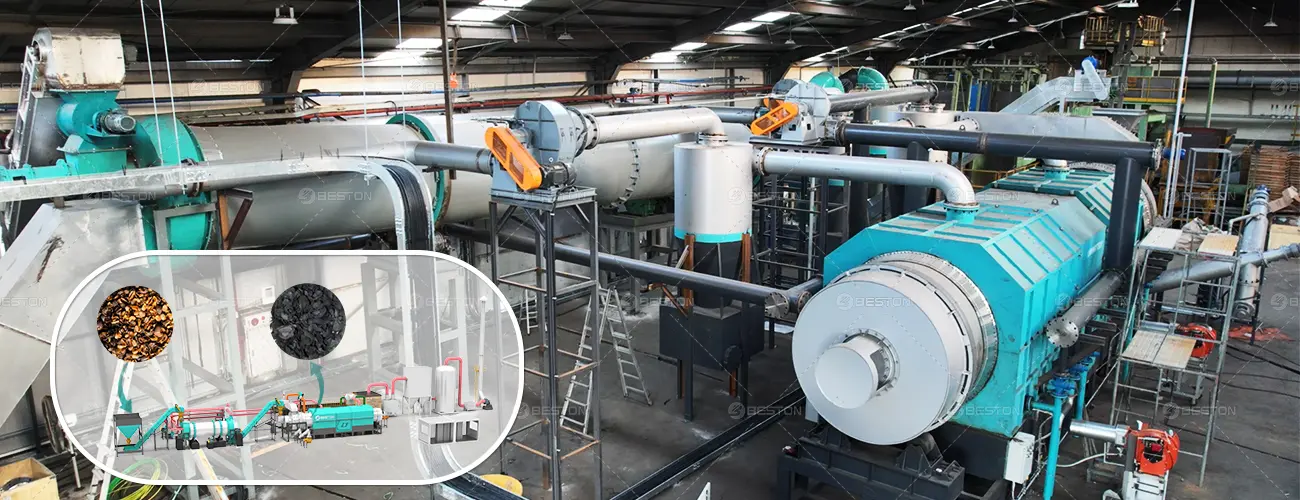
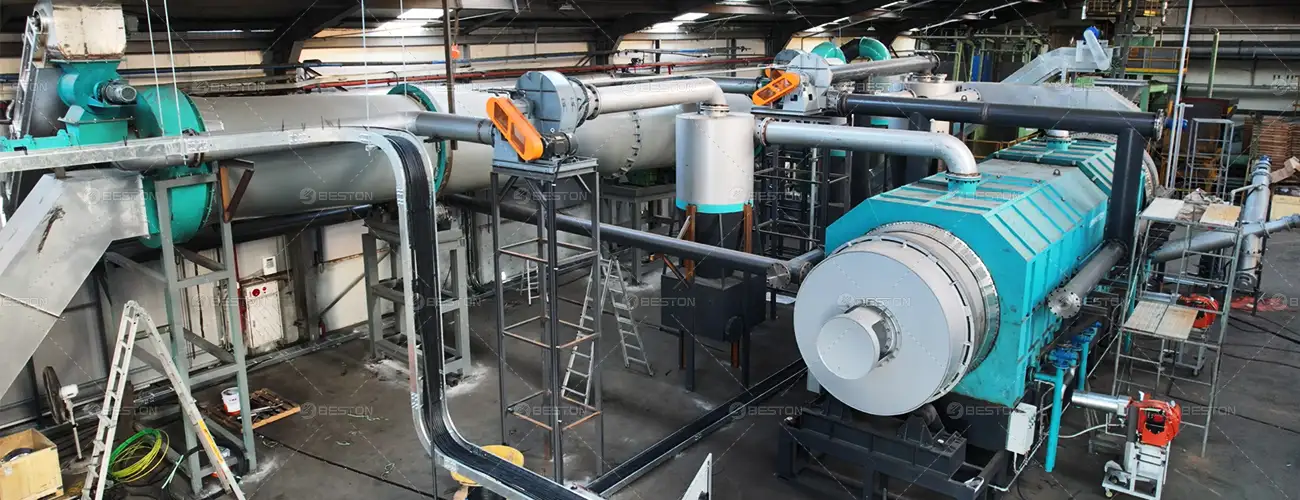
Plastic waste is a persistent environmental challenge because conventional disposal methods often provide limited resource recovery. Landfilling consumes valuable space, while uncontrolled combustion can generate harmful emissions. A small plastic pyrolysis machine offers an alternative treatment pathway by thermochemically decomposing suitable plastic waste in an oxygen-limited environment and converting it into useful hydrocarbon products.
Reducing Plastic Waste Sent to Landfills
One of the most direct environmental advantages of a small plastic pyrolysis machine is its ability to divert plastic waste from landfills. Materials such as polyethylene and polypropylene can be difficult to manage through conventional recycling when they are contaminated, mixed, or unsuitable for mechanical reprocessing.
Pyrolysis changes the treatment paradigm. Instead of permanently depositing the material, the polymer structure is thermally cracked into smaller hydrocarbon molecules. The resulting products can include pyrolysis oil, non-condensable gas, and carbonaceous residue, depending on the feedstock and operating conditions.
This approach supports a more circular waste-management model in which carbon-containing materials remain within productive use for longer.
Recovering Energy from Plastic Waste
Plastic contains substantial chemical energy because many common polymers originate from hydrocarbon feedstocks. When processed under controlled pyrolysis conditions, part of this embedded energy can be recovered in the form of liquid and gaseous products.
The pyrolysis oil may serve as a feedstock for further refining or as an industrial fuel where appropriate specifications and regulations permit. Meanwhile, pyrolysis gas can potentially be recovered and reused within the thermal process, reducing dependence on external fuel sources.
Such internal energy integration is particularly valuable for a small plastic pyrolysis machine because efficient heat utilization can improve the environmental performance of decentralized waste-treatment operations.
Supporting Resource Conservation
Plastic pyrolysis can also reduce pressure on virgin fossil resources by recovering hydrocarbon compounds from existing waste streams. Instead of treating discarded plastic solely as an end-of-life material, pyrolysis creates an opportunity to reclaim part of its chemical value.
This principle is closely associated with the circular economy. The objective is not simply to eliminate waste but to extract useful resources from materials that would otherwise have limited recovery options.
For regions where plastic collection is fragmented or transportation distances are considerable, smaller-scale processing can provide an additional pathway for localized resource recovery.
Potential Reduction in Open Burning
Improper disposal and open burning of plastic waste can create serious environmental problems. Combustion under uncontrolled conditions may generate smoke and hazardous pollutants, particularly when the waste composition is uncertain.
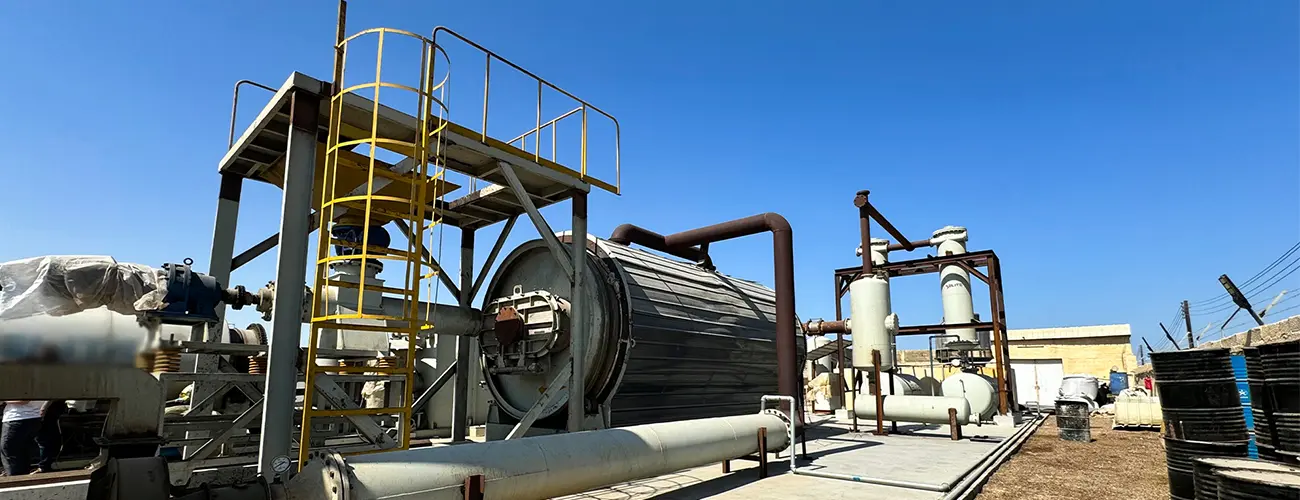
A properly designed small plastic pyrolysis machine operates within a controlled thermal environment with managed gas handling and emission-treatment systems. This provides a more systematic alternative to uncontrolled burning.
Environmental performance, however, depends heavily on equipment configuration, feedstock composition, operating temperature, and exhaust-treatment technology. Appropriate emission control is therefore an integral component rather than an optional accessory.
Lower Transportation Burden Through Decentralized Treatment
Waste transportation can contribute to fuel consumption and associated greenhouse gas emissions. A compact pyrolysis system can potentially be installed closer to plastic waste generation points, reducing the distance that certain waste streams need to travel before treatment.
This decentralized model may be particularly relevant for industrial parks, recycling centers, agricultural regions, and communities where sufficient plastic waste is generated locally but large centralized treatment facilities are geographically distant.
The environmental benefit is cumulative: shorter transport routes, reduced waste accumulation, and localized resource recovery can work together to improve overall waste-management efficiency.
Contributing to a Circular Plastic Economy
The environmental value of pyrolysis extends beyond waste-volume reduction. By transforming difficult-to-recycle plastic into recoverable hydrocarbon products, a small plastic pyrolysis machine can help bridge the gap between waste management and resource utilization.
Nevertheless, pyrolysis should be considered as one component of an integrated plastic-management hierarchy. Reuse and conventional mechanical recycling remain important where technically and economically feasible. Pyrolysis can complement these approaches by addressing plastic streams that are otherwise difficult to recover.
With appropriate feedstock sorting, thermal control, gas utilization, and emission management, small-scale plastic pyrolysis can provide a practical route for converting problematic plastic waste into usable resources while supporting more efficient and circular waste treatment.