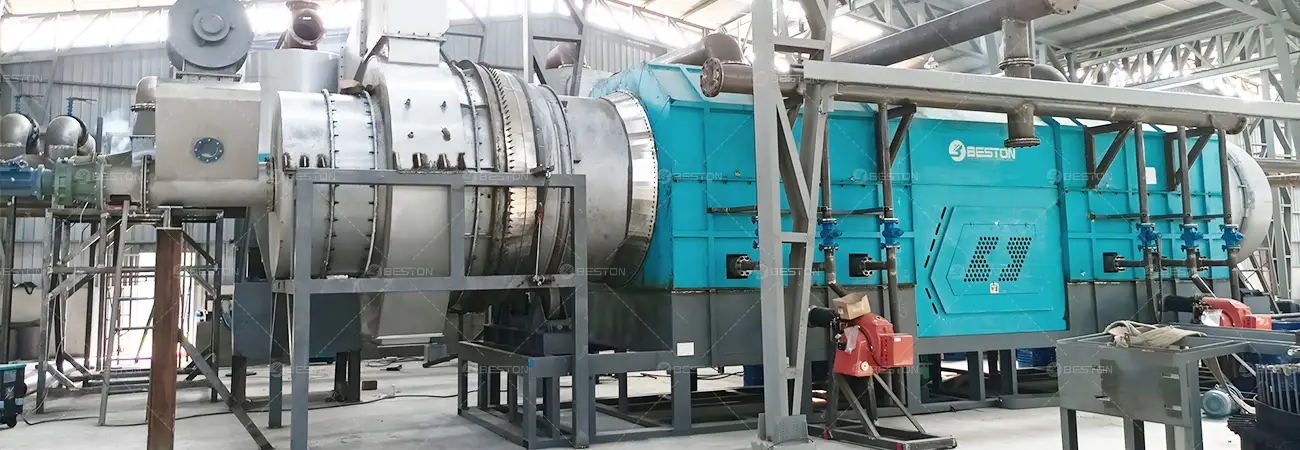
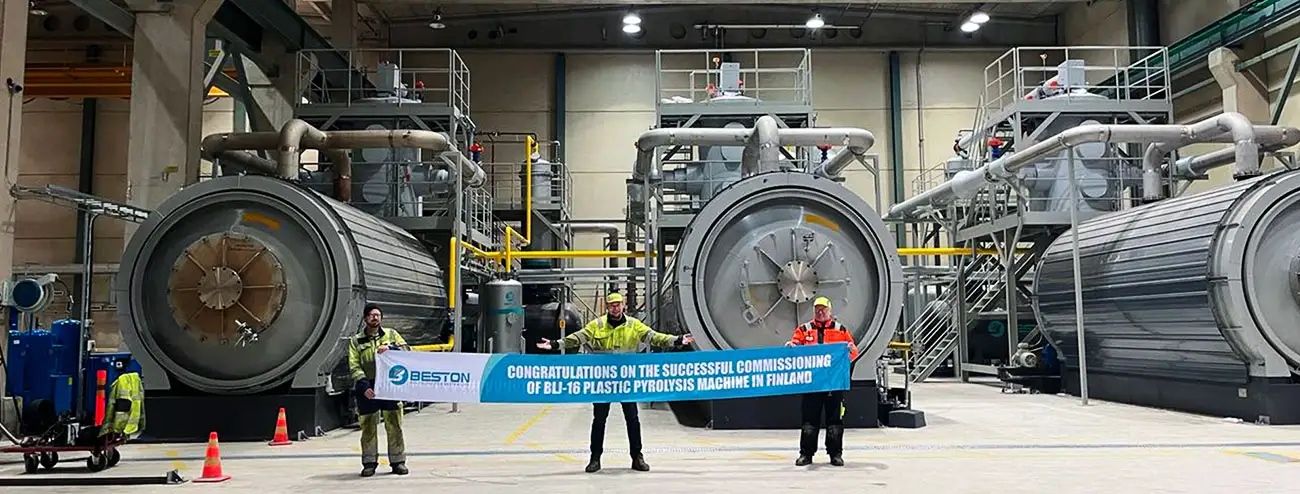
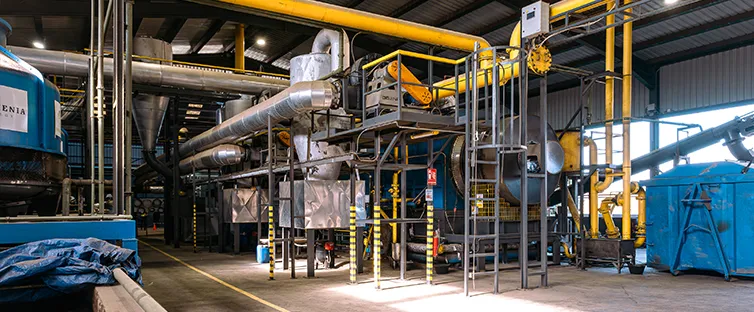
The increasing demand for renewable carbon materials has encouraged the development of advanced biomass processing technologies. Agricultural residues such as rice straw, wheat straw, and corn stalks are widely available but often face disposal challenges due to seasonal accumulation and inefficient utilization. An automated straw charcoal making machine provides an effective solution by converting these low-value biomass resources into high-quality charcoal products while improving production efficiency and process stability.
Automation has become a critical factor in modern biomass carbonization systems. Compared with traditional manual charcoal production methods, automated equipment offers precise process control, reduced labor requirements, and more consistent product quality. These advantages make it increasingly suitable for commercial-scale renewable energy and biomass recycling projects.
Automated Feeding Improves Production Continuity
Material preparation and feeding are important stages that directly influence carbonization efficiency. Traditional production methods often depend on manual loading, which can cause uneven material distribution and unstable processing conditions.
A modern straw charcoal making machine integrates an automatic feeding system that delivers biomass materials into the carbonization chamber at a controlled rate. This continuous material supply reduces interruptions and ensures that each production cycle operates under stable conditions.
The automated feeding mechanism also minimizes labor intensity. Operators no longer need to frequently handle raw materials, allowing them to focus on equipment monitoring and production management. This improves overall operational efficiency and creates a safer working environment.

Precise Temperature Control Enhances Carbonization Quality
Temperature management is one of the most important factors affecting charcoal quality. Excessive temperature may cause unnecessary material loss, while insufficient heating can result in incomplete carbonization.
Automated control systems use sensors and intelligent monitoring technology to regulate temperature changes throughout the carbonization process. The system can adjust heating intensity according to real-time conditions, maintaining an optimal thermal environment inside the reactor.
This precise regulation improves the stability of fixed carbon content, moisture level, and combustion performance. As a result, the final charcoal product achieves more consistent quality compared with manually operated systems.
Intelligent Monitoring Reduces Operational Errors
Industrial biomass processing requires reliable monitoring to maintain long-term performance. Manual operation often depends on operator experience, which may lead to variations between different production batches.
An automated straw charcoal making machine uses a centralized control platform to monitor key parameters such as temperature, pressure, processing time, and equipment status. Any abnormal condition can be detected quickly, allowing operators to make timely adjustments.
This digital management approach reduces human error and improves production reliability. It also provides valuable operational data that can be analyzed to optimize future production processes.
Energy Efficiency and Resource Utilization Improvement
Automation technology contributes to better energy management by optimizing fuel consumption and heat distribution. Traditional carbonization methods may lose energy due to inefficient combustion or poor thermal control.
Advanced charcoal production equipment utilizes improved heating structures and waste gas recycling systems. The combustible gases generated during carbonization can be collected and reused as a supplementary energy source, reducing external fuel requirements.
By improving thermal efficiency, automated systems lower operating costs while supporting more sustainable biomass utilization. This is particularly important for large-scale projects where energy consumption directly affects profitability.
Consistent Product Quality for Commercial Applications
Quality control is a major concern in charcoal production because different applications require specific product characteristics. Barbecue charcoal, industrial fuel charcoal, and agricultural biochar may have different requirements for density, carbon content, and burning performance.
Automated production technology ensures that processing parameters remain consistent across multiple batches. This helps manufacturers produce standardized charcoal products that meet market expectations.
The ability to maintain stable quality also improves customer confidence and expands application opportunities. Businesses can develop reliable supply chains while reducing product variation caused by manual processing differences.
Future Development of Automated Biomass Carbonization Technology
The development of automation, artificial intelligence, and digital monitoring will continue improving biomass carbonization systems. Future equipment will likely incorporate more advanced control algorithms, remote operation capabilities, and predictive maintenance functions.
The automated straw charcoal making machine represents an important advancement in agricultural waste utilization. By combining precise process control, energy efficiency, and reliable production performance, it transforms biomass residues into valuable renewable carbon products.
As global industries continue to focus on circular economy practices and renewable energy solutions, automated charcoal production technology will play an increasingly important role in improving resource efficiency and supporting sustainable development.