Methane emissions from livestock, particularly cattle, have come under increasing scrutiny as they are one of the leading contributors to greenhouse gas emissions in agriculture. This has led to the implementation of a so-called "cow methane tax" in some regions. This tax is aimed at reducing methane output by imposing penalties on large-scale methane emitters in the livestock industry. The introduction of such taxes has forced farmers and ranchers to seek innovative ways to manage and reduce their methane emissions. Among the most promising solutions is biochar production, which not only helps mitigate methane emissions but also promotes sustainable practices in agriculture.
The Challenge of Methane Emissions in Livestock
Cattle are notorious for emitting methane through a natural digestive process called enteric fermentation. Methane is a potent greenhouse gas, with a global warming potential more than 25 times greater than carbon dioxide over a 100-year period. In some countries, agriculture is responsible for up to 50% of methane emissions, with cattle farming being the primary contributor. The cow methane tax is intended to place economic pressure on farmers to reduce these emissions, but it also encourages the adoption of more sustainable methods in animal husbandry.

The Role of Biochar in Emission Reduction
Biochar production is one of the leading methods for mitigating methane emissions in agriculture. Biochar is a carbon-rich material produced by heating organic waste—such as wood, manure, or agricultural residues—in a low-oxygen environment, a process known as pyrolysis. When applied to agricultural soils, biochar has a range of benefits, including improving soil fertility, enhancing water retention, and sequestering carbon. However, one of the lesser-known advantages of biochar is its ability to reduce methane emissions from livestock manure.
Biochar as a Manure Additive
When added to manure, biochar can significantly reduce the emission of methane and other greenhouse gases. This is due to its porous structure and large surface area, which help absorb gases and nutrients. By binding methane and ammonia in the manure, biochar prevents these gases from escaping into the atmosphere. This process also helps in creating more stable nitrogen compounds, which can improve soil quality when the manure is later used as fertilizer.
Additionally, biochar helps to create an anaerobic environment in manure storage systems, which further suppresses the microbial activity responsible for methane production. This dual action—absorbing methane and limiting its production—makes biochar a valuable tool in reducing emissions directly linked to livestock operations.

Biochar Production: Closing the Loop in the Circular Economy
The concept of the circular economy is centered on reducing waste, reusing resources, and recycling materials to create a closed-loop system. Biochar production fits seamlessly into this model by utilizing waste products from agriculture, forestry, and other industries to create a valuable resource that can be used to improve soil health and reduce methane emissions.
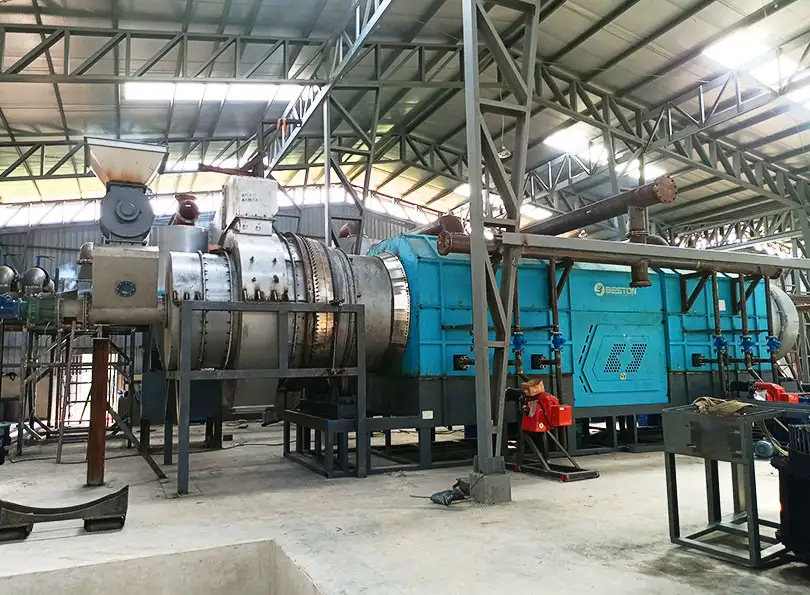
In sustainable animal husbandry, biochar production equipment offers a way to turn organic waste into a carbon-sequestering material. For instance, farms can use agricultural residues or livestock manure as feedstock for biochar production. This not only provides a sustainable method of waste management but also creates a product that can be reintegrated into farming practices.
Reducing Dependency on External Inputs
Incorporating biochar into sustainable animal husbandry reduces the need for chemical fertilizers, as biochar improves nutrient cycling in soils. This helps farmers reduce their reliance on synthetic inputs, lowering costs while simultaneously enhancing environmental sustainability. Moreover, by using local waste materials for biochar production, farms can reduce transportation-related emissions and create a more self-sufficient system.

Carbon Sequestration Benefits
A key advantage of biochar in the circular economy is its ability to sequester carbon. Biochar is highly stable and can remain in soils for hundreds to thousands of years, locking away carbon that would otherwise contribute to global warming. This long-term sequestration provides a carbon offset that can help farmers counterbalance their methane emissions, thus reducing the financial burden imposed by methane taxes.
Implementing Biochar in Sustainable Animal Husbandry
Integrating biochar into livestock operations requires several considerations, including the type of biochar produced, the feedstock used, and the application method. For instance, biochar made from woody materials is more stable and better suited for long-term carbon sequestration, while biochar made from manure or crop residues may offer more immediate benefits in terms of nutrient availability and methane reduction.
Manure Management
One of the most practical applications of biochar in livestock farming is in manure management. Farmers can incorporate biochar directly into manure storage systems or add it to bedding materials used for livestock. This helps reduce emissions during the storage phase and when the manure is spread on fields as fertilizer. Additionally, biochar can reduce odors and improve the overall handling of manure, which is an important consideration in large-scale livestock operations.
Enhancing Feed Efficiency
There is also growing interest in using biochar as a feed additive for livestock. Studies have shown that adding biochar to cattle feed can improve digestion and reduce methane emissions from enteric fermentation. While this is a relatively new application, it holds significant promise as an additional method for reducing emissions at the source.

Economic and Environmental Benefits of Biochar
Beyond its direct role in methane emission reduction, biochar production offers several economic and environmental advantages for farmers. The initial investment in a biochar production system can be offset by the multiple revenue streams and savings it generates. For example, farmers can sell excess biochar to other agricultural producers or industries that require it for environmental remediation.
Additionally, the environmental benefits of biochar go beyond carbon sequestration and methane reduction. Biochar improves soil health, increases crop yields, and enhances water retention. These improvements make farming operations more resilient to climate change, helping farmers adapt to unpredictable weather patterns and reduce the risks associated with droughts and floods.
Conclusion
The implementation of a cow methane tax may pose challenges for the livestock industry, but it also presents an opportunity to adopt innovative and sustainable practices like biochar production. By integrating biochar into manure management and livestock feed, farmers can significantly reduce methane emissions, improving their environmental footprint and reducing the financial burden of methane-related regulations.
Moreover, biochar production supports the principles of the circular economy, turning agricultural waste into a valuable resource that enhances soil health and sequesters carbon. As concerns about climate change and agricultural sustainability continue to grow, biochar represents a powerful tool in the effort to balance productive farming with environmental responsibility. Through its multifaceted benefits, biochar can play a pivotal role in transforming the future of sustainable animal husbandry.