Showing posts with label biochar production equipment. Show all posts

Wednesday, June 10, 2026

Why Biochar Carbon Removal Has Emerged as the Leading Pathway

As governments, corporations, and investors intensify efforts to achieve net-zero targets, demand for credible carbon removal solutions has expanded rapidly. While numerous carbon dioxide removal (CDR) technologies have entered the market, biochar carbon removal has emerged as one of the most commercially successful and widely adopted pathways.

Its growing prominence is not the result of a single advantage. Rather, biochar carbon removal combines technological maturity, measurable carbon permanence, operational scalability, and economic viability in a way that few competing solutions can currently match.

These characteristics have positioned biochar as a dominant force within the voluntary carbon market and an increasingly important component of long-term climate mitigation strategies.

Converting Biomass Waste into Stable Carbon Storage

At the core of biochar carbon removal is a relatively straightforward thermochemical process.

Biomass residues such as agricultural waste, forestry byproducts, and processing residues are heated under oxygen-limited conditions. During this process, a portion of the biomass carbon is transformed into a stable solid carbon material known as biochar.

Instead of returning to the atmosphere through decomposition or open burning, this carbon can remain sequestered for centuries or even millennia when applied to soil or incorporated into durable materials.

Abundant Feedstock Availability

One reason for the rapid adoption of biochar projects is the widespread availability of biomass feedstock. Agricultural regions around the world generate enormous quantities of organic residues that are often underutilized or disposed of through environmentally harmful practices.

By converting these materials into biochar, projects create value from existing waste streams while simultaneously removing carbon from the atmosphere.

Established Pyrolysis Technology

Unlike many emerging carbon removal technologies that remain in demonstration stages, biochar production relies on proven thermal conversion systems.

A modern biochar production equipment can operate continuously, process diverse feedstocks, and achieve predictable carbon sequestration outcomes. The technological maturity of pyrolysis significantly reduces deployment risk compared with less-developed carbon removal approaches.

Strong Carbon Permanence Enhances Market Confidence

Durability is one of the most important criteria for evaluating carbon removal projects.

Many climate solutions reduce emissions but do not necessarily remove atmospheric carbon for extended periods. Biochar addresses this challenge by converting unstable organic carbon into a highly recalcitrant form.

Long-Term Carbon Stability

The aromatic carbon structures formed during pyrolysis exhibit strong resistance to biological degradation. As a result, a significant portion of the carbon remains stored for extremely long periods.

This permanence aligns closely with the expectations of carbon credit buyers seeking measurable and durable climate benefits.

Transparent Verification Frameworks

Biochar carbon removal has benefited from the development of robust monitoring, reporting, and verification methodologies.

Established certification standards provide clear procedures for quantifying feedstock carbon, conversion efficiency, storage permanence, and project emissions. This transparency strengthens buyer confidence and facilitates market adoption.


Favorable Economics Compared with Alternative CDR Technologies

Cost remains a major factor influencing the scalability of carbon removal.

Lower Infrastructure Requirements

Many engineered carbon removal technologies require highly specialized infrastructure, advanced chemical processes, or substantial energy inputs.

Biochar production, by contrast, often utilizes existing biomass supply chains and commercially available biochar pyrolysis equipment. This reduces capital expenditure and accelerates project deployment.

Multiple Revenue Streams

Biochar projects frequently generate economic value beyond carbon credits.

Potential revenue sources include:

  • Biochar sales

  • Carbon removal credits

  • Renewable energy generation

  • Waste management services

  • Agricultural productivity enhancement

This diversified revenue model improves project resilience and financial attractiveness.

Scalability Across Diverse Geographic Regions

Another reason biochar carbon removal has gained market leadership is its adaptability.

Compatibility with Agricultural Economies

Countries with significant agricultural production generate large quantities of crop residues suitable for biochar production. These regions can implement projects without requiring major changes to existing land-use patterns.

This compatibility enables rapid expansion across both developed and developing economies.

Modular Deployment Potential

Biochar facilities can be deployed at various scales. Small decentralized systems can process local biomass resources, while large industrial installations can support regional feedstock networks.

This modularity allows project developers to tailor capacity according to resource availability and market demand.

Environmental Benefits Beyond Carbon Removal

Biochar carbon removal offers several co-benefits that extend beyond climate mitigation.

Reducing Open Biomass Burning

In many regions, agricultural residues are burned in fields after harvest. This practice generates particulate emissions and releases greenhouse gases.

Converting residues into biochar provides an alternative pathway that reduces air pollution while creating a valuable carbon product.

Supporting Soil Improvement

When applied appropriately, biochar can improve soil structure, water retention, nutrient availability, and microbial activity.

These agronomic benefits create additional incentives for adoption, particularly in regions facing soil degradation challenges.

Advancing Circular Resource Utilization

Biochar projects contribute to circular economy principles by transforming waste biomass into a long-lived carbon asset rather than treating it as a disposal problem.

This resource-efficiency advantage aligns with broader sustainability objectives pursued by governments and corporations worldwide.

A Leading Platform for Scalable Carbon Removal

Biochar carbon removal has become a market leader because it successfully combines scientific credibility, technological readiness, economic practicality, and environmental co-benefits. The ability to convert abundant biomass residues into durable carbon storage using a commercially proven pyrolysis plant creates a compelling value proposition for project developers and carbon credit buyers alike.

As demand for high-quality carbon removal continues to expand, biochar is likely to remain one of the most deployable and commercially attractive pathways for achieving durable atmospheric carbon removal at scale.

Tuesday, June 22, 2021

The Benefits of Purchasing a Coconut Shell Charcoal Making Machine

 Coconut shell charcoal making machines have observed a surge of popularity over the recent years, and it's easy to understand why. Equipment this way is probably the most effective ways to create charcoal. Please read on to learn more about the many different features of making an investment in equipment like this (máquina para hacer carbón de cáscara de coco).
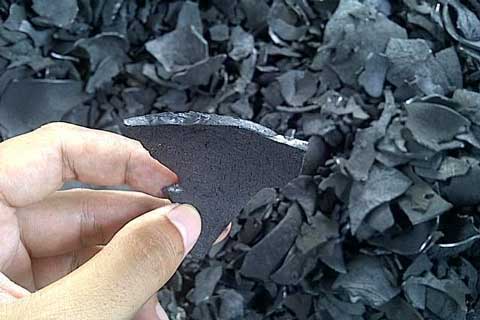
Coconut Shell Charcoal Making Machine


This Equipment Has Numerous Applications


Charcoal can be used across many industries and might power different styles of machinery. It's not unusual for companies to buy this machinery and then use it to power their very own equipment. However, you can also use machinery like this to make charcoal that you can later sell.


Since there are plenty of applications for the charcoal making machine (máquina para hacer carbón), it's likely that you'll find your investment to become worthwhile one. The market interest in machinery like this has become steadily increasing, and it's likely which it will continue to rise moving forward.


There Are Several Affordable Options


Equipment similar to this doesn't necessarily call for a significant upfront investment, particularly if you find the equipment you require from your right supplier. You'll find that we now have many choices which can be cost-effective. You'll be capable of make the most of your budget you determine and invest in equipment that will pay for itself in no time.


Because the initial costs could be around the lower side, you'll be taking on fewer risks whenever you make an investment similar to this. It's likely which it won't be well before you're capable of recoup the money that you've spent.


It's Simple to Get Access to the Type of Material You Need


It shouldn't be a challenge to get access to the materials that you should produce charcoal using a machine like this. Another major advantage available from equipment with this nature is that you'll have the capacity to use recycled materials to make a usable product (equipo de producción de biocarbón).


Most of the time, you won't have to spend anything to be able to access these materials. Instead, you'll have the capacity to convert materials that you already possess into something useful. It's challenging to deny some great benefits of an order like that!


These Appliances Can Be Used In Smaller Spaces


Even though you have limited space to keep the gear you're purchasing, it's likely that you'll find options that are suitable for your expections. There are a variety of charcoal machines that happen to be about the smaller side, letting you make the most of the only a little space which you have.


Dealing with a absence of space might be frustrating, which explains why this is such a large selling point. Spend some time to check out the proportions of some of the options you've been considering. Try to find equipment that's the correct size to suit your needs (planta de pirólisis de biomasa).


It's clear to view that there are advantages to investing in a coconut shell charcoal making machine. If this sounds like any purchase you're considering, now's the proper a chance to look more closely at a few of the different choices that you can currently find for sale.

Thursday, July 16, 2020

Cheap Biochar Production Equipment For Sale In China

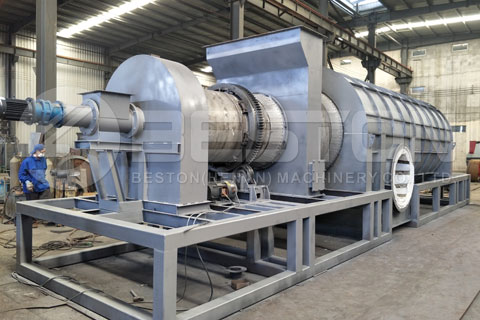
Biochar production equipment is utilized in waste processing facilities everywhere in the planet to make charcoal from various biomass waste. Some of the types of biomass waste which can be processed by biochar machines include bamboo, palm kernels, straw, sawdust, coconut shells, peanut shells, olive shells, and wood. Such biochar production equipment for sale is bought by customers in all of the corners on the planet, including those in the united kingdom, the Philippines, Argentina, Australia, South Africa, Indonesia, Norway, Turkey, Egpyt, and Syria. Biochar production gear is only set to become most popular as more countries recognize the need to find green ways to manage increasing levels of organic waste materials. You will find many of the cheapest charcoal making machines easily obtainable in China. This really is mainly mainly because that raw material and labor costs are less costly because country.

Biochar Production Equipment


The conclusion products created from biochar making machines include biogas, charcoal, tar, and wood vinegar. Tar and wood vinegar are typically sold directly to the chemical production industry. Meanwhile, biogas is reused within a biomass waste processing plant to fuel the reactor heating system. Biomass charcoal typically includes a carbon content exceeding 90%, along with its high caloric value causes it to be an improved fuel than coal. Furthermore, it has an added advantage of burning very cleanly, so it will be better for your environment than coal when used as heating fuel. Get the machine: https://www.bestongroup.com/wood-charcoal-making-machine/.

While most the biomass charcoal manufactured in a waste recycling facility comes as fuel, several of it is usually converted into a wealthy soil fertilizer and sold to agriculture and horticulture sector. The main reason bio charcoal makes a great soil improvement addictive is it is rich in micronutrients like zinc, phosphorous, nitrogen, manganese, and calcium. It can increase crop yields greatly, so it is always sought after from agricultural farmers. Some biochar produced could also be used to generate activated carbon, which is sought-after by many people industries, such as the paint industry, the tire industry, and also the pharmaceutical industry.

With regards to comparing different types of biochar production equipment available for sale on the net, it's crucial that you make a note of manufacturers' data specification sheets. Several of the parameters to check out include reactor size, reactor type, working method, average working life, operating pressure, hourly feeding capacity, power rating, and area requirements. The raw material hourly feeding capacity of the majority of biochar making machines lies between 500kg and 3 tons. It is actually possible to find larger biomass waste plant equipment that can process even bigger quantities of raw materials each hour, although the high expense of such devices are used prohibitive for many recycling companies.

The great thing about charcoal making machines is they can run on a range of fuel sources, including coal, gas, diesel oil, LPG, biogas, charcoal, coal, etc. Furthermore, they are generally incredibly energy-efficient, so have low running costs. The latest machines are fitted with advanced de-dusting systems to make sure that no pollution is emitted in the atmosphere or processing facility during operation.

Biochar Machine for Coconut Shell: From Biomass Waste to High-Value Biochar

 Every year, millions of tons of coconut husks and shells end up rotting in agricultural sites or burning in uncontrolled open pits, releasi...