As governments, corporations, and investors intensify efforts to achieve net-zero targets, demand for credible carbon removal solutions has expanded rapidly. While numerous carbon dioxide removal (CDR) technologies have entered the market, biochar carbon removal has emerged as one of the most commercially successful and widely adopted pathways.
Its growing prominence is not the result of a single advantage. Rather, biochar carbon removal combines technological maturity, measurable carbon permanence, operational scalability, and economic viability in a way that few competing solutions can currently match.
These characteristics have positioned biochar as a dominant force within the voluntary carbon market and an increasingly important component of long-term climate mitigation strategies.
Converting Biomass Waste into Stable Carbon Storage
At the core of biochar carbon removal is a relatively straightforward thermochemical process.
Biomass residues such as agricultural waste, forestry byproducts, and processing residues are heated under oxygen-limited conditions. During this process, a portion of the biomass carbon is transformed into a stable solid carbon material known as biochar.
Instead of returning to the atmosphere through decomposition or open burning, this carbon can remain sequestered for centuries or even millennia when applied to soil or incorporated into durable materials.
Abundant Feedstock Availability
One reason for the rapid adoption of biochar projects is the widespread availability of biomass feedstock. Agricultural regions around the world generate enormous quantities of organic residues that are often underutilized or disposed of through environmentally harmful practices.
By converting these materials into biochar, projects create value from existing waste streams while simultaneously removing carbon from the atmosphere.
Established Pyrolysis Technology
Unlike many emerging carbon removal technologies that remain in demonstration stages, biochar production relies on proven thermal conversion systems.
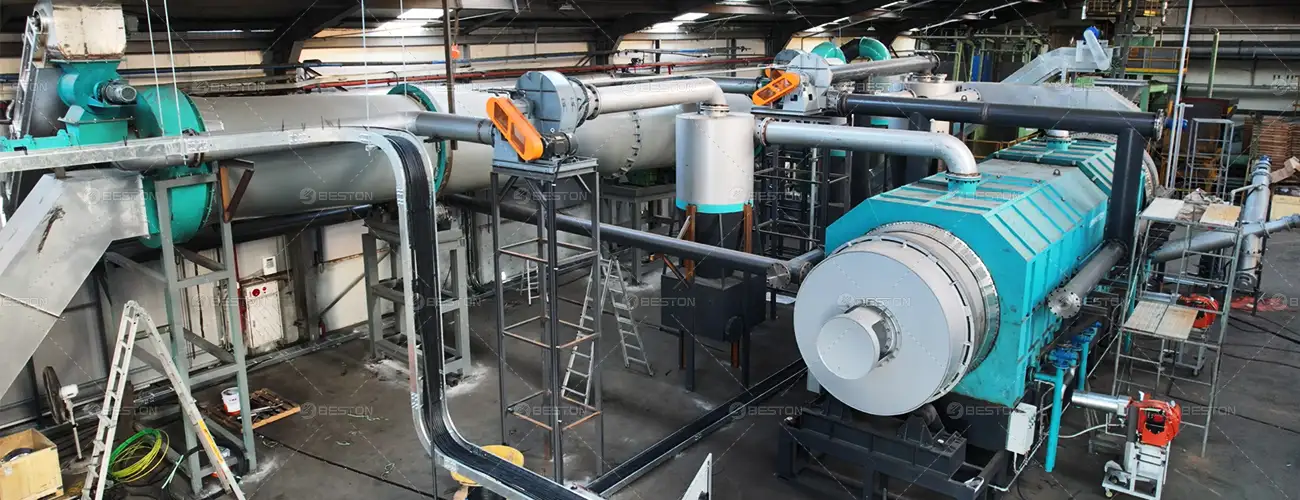
A modern biochar production equipment can operate continuously, process diverse feedstocks, and achieve predictable carbon sequestration outcomes. The technological maturity of pyrolysis significantly reduces deployment risk compared with less-developed carbon removal approaches.
Strong Carbon Permanence Enhances Market Confidence
Durability is one of the most important criteria for evaluating carbon removal projects.
Many climate solutions reduce emissions but do not necessarily remove atmospheric carbon for extended periods. Biochar addresses this challenge by converting unstable organic carbon into a highly recalcitrant form.
Long-Term Carbon Stability
The aromatic carbon structures formed during pyrolysis exhibit strong resistance to biological degradation. As a result, a significant portion of the carbon remains stored for extremely long periods.
This permanence aligns closely with the expectations of carbon credit buyers seeking measurable and durable climate benefits.
Transparent Verification Frameworks
Biochar carbon removal has benefited from the development of robust monitoring, reporting, and verification methodologies.
Established certification standards provide clear procedures for quantifying feedstock carbon, conversion efficiency, storage permanence, and project emissions. This transparency strengthens buyer confidence and facilitates market adoption.

Favorable Economics Compared with Alternative CDR Technologies
Cost remains a major factor influencing the scalability of carbon removal.
Lower Infrastructure Requirements
Many engineered carbon removal technologies require highly specialized infrastructure, advanced chemical processes, or substantial energy inputs.
Biochar production, by contrast, often utilizes existing biomass supply chains and commercially available biochar pyrolysis equipment. This reduces capital expenditure and accelerates project deployment.
Multiple Revenue Streams
Biochar projects frequently generate economic value beyond carbon credits.
Potential revenue sources include:
Biochar sales
Carbon removal credits
Renewable energy generation
Waste management services
Agricultural productivity enhancement
This diversified revenue model improves project resilience and financial attractiveness.
Scalability Across Diverse Geographic Regions
Another reason biochar carbon removal has gained market leadership is its adaptability.
Compatibility with Agricultural Economies
Countries with significant agricultural production generate large quantities of crop residues suitable for biochar production. These regions can implement projects without requiring major changes to existing land-use patterns.
This compatibility enables rapid expansion across both developed and developing economies.
Modular Deployment Potential
Biochar facilities can be deployed at various scales. Small decentralized systems can process local biomass resources, while large industrial installations can support regional feedstock networks.
This modularity allows project developers to tailor capacity according to resource availability and market demand.
Environmental Benefits Beyond Carbon Removal
Biochar carbon removal offers several co-benefits that extend beyond climate mitigation.
Reducing Open Biomass Burning
In many regions, agricultural residues are burned in fields after harvest. This practice generates particulate emissions and releases greenhouse gases.
Converting residues into biochar provides an alternative pathway that reduces air pollution while creating a valuable carbon product.
Supporting Soil Improvement
When applied appropriately, biochar can improve soil structure, water retention, nutrient availability, and microbial activity.
These agronomic benefits create additional incentives for adoption, particularly in regions facing soil degradation challenges.
Advancing Circular Resource Utilization
Biochar projects contribute to circular economy principles by transforming waste biomass into a long-lived carbon asset rather than treating it as a disposal problem.
This resource-efficiency advantage aligns with broader sustainability objectives pursued by governments and corporations worldwide.
A Leading Platform for Scalable Carbon Removal
Biochar carbon removal has become a market leader because it successfully combines scientific credibility, technological readiness, economic practicality, and environmental co-benefits. The ability to convert abundant biomass residues into durable carbon storage using a commercially proven pyrolysis plant creates a compelling value proposition for project developers and carbon credit buyers alike.
As demand for high-quality carbon removal continues to expand, biochar is likely to remain one of the most deployable and commercially attractive pathways for achieving durable atmospheric carbon removal at scale.



No comments:
Post a Comment