Sunday, April 26, 2026

The Importance of Proper Maintenance for Continuous Waste Tyre Pyrolysis Plant Efficiency

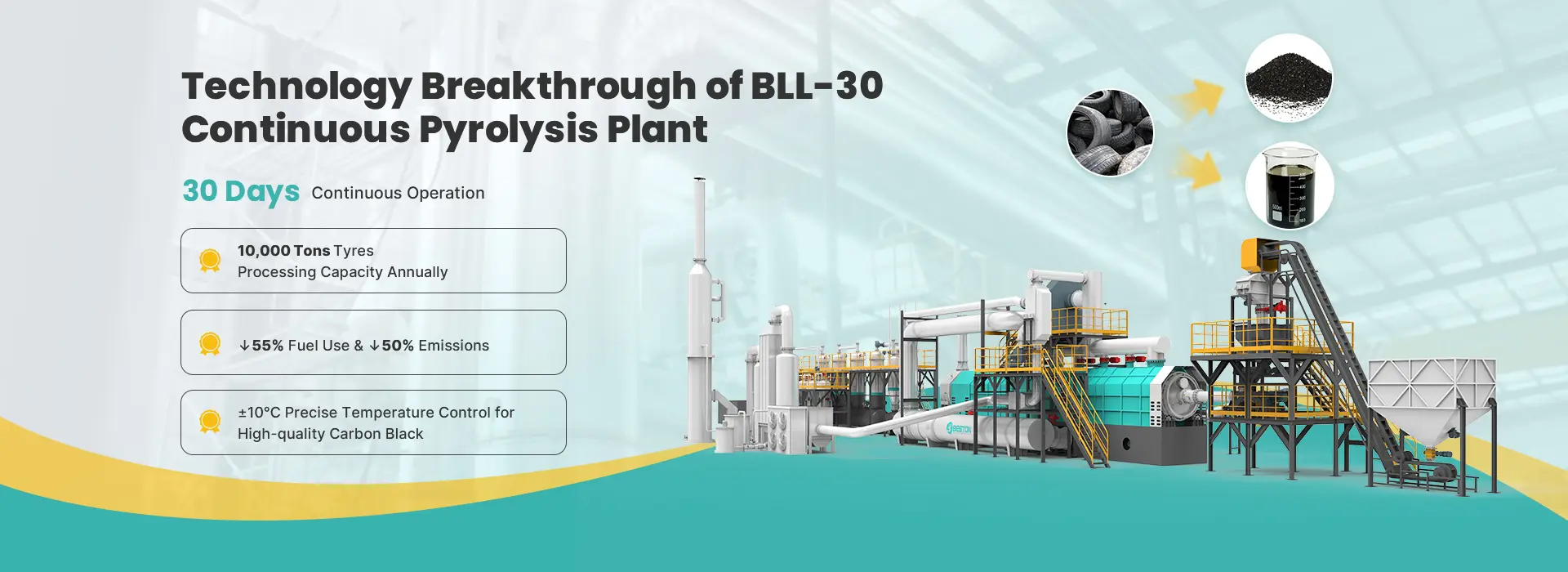
 The continuous waste tyre pyrolysis plant is an advanced system designed to process used tyres into valuable by-products such as fuel oil, carbon black, and gas. While the technology holds significant promise for waste management and resource recovery, its efficiency largely depends on regular and meticulous maintenance. Ensuring optimal performance not only extends the lifespan of the equipment but also maximizes output, reduces operational costs, and ensures environmental compliance.

1. Ensuring Consistent Output

One of the primary reasons for maintaining a continuous waste tyre pyrolysis plant is to ensure consistent and high-quality output. Pyrolysis is a complex process involving the thermal decomposition of tyres at high temperatures in the absence of oxygen. Over time, various components of the plant, such as the reactor, condenser, and distillation units, experience wear and tear. Regular maintenance ensures that these parts are functioning as intended, preventing any interruptions in the process that could lead to inefficiencies or suboptimal product yields.

For example, if the reactor becomes clogged or suffers from temperature inconsistencies, the pyrolysis process may be compromised, leading to lower fuel oil yields or inconsistent carbon black quality. Preventative maintenance, such as periodic inspection of the reactor's internal components and temperature regulation systems, ensures the pyrolysis plant operates smoothly and efficiently.
2. Maximizing Energy Efficiency

Energy consumption is one of the largest operational costs in a continuous waste tyre pyrolysis plant. Proper maintenance plays a pivotal role in optimizing energy use throughout the system. Over time, energy-intensive components like the burner, heat exchanger, and condenser can lose their efficiency due to dirt buildup, corrosion, or mechanical failure. This can lead to excessive energy consumption, which not only raises operational costs but also undermines the plant's environmental performance.

To mitigate this issue, regular checks on the burner’s fuel combustion system and heat exchange efficiency should be conducted. Cleaning or replacing filters, optimizing combustion temperatures, and ensuring proper insulation in the pyrolysis reactor are essential steps to reduce energy wastage and enhance the overall energy efficiency of the plant. By minimizing energy losses, the plant can operate at its peak efficiency, reducing both costs and environmental impact.

3. Preventing Downtime and Expensive Repairs

Unscheduled downtime due to equipment failure can result in significant losses for a continuous waste tyre pyrolysis plant. The cost of repairs, coupled with lost production, can severely impact profitability. To avoid these issues, regular maintenance checks are crucial. By identifying potential problems before they escalate, such as worn-out seals, leaks, or malfunctioning pumps, operators can prevent costly breakdowns and keep the plant running smoothly.

For instance, the continuous operation of the feedstock feeding system is essential to maintaining throughput. Any blockage, misalignment, or wear in the conveyor belts or feeding mechanism can lead to interruptions. Implementing routine inspections and timely repairs can address these issues proactively, avoiding unexpected halts in production and reducing repair costs.

4. Enhancing Safety and Compliance

The safety of plant operators and compliance with environmental regulations are paramount considerations in any industrial setting, particularly in pyrolysis plants where high temperatures and combustible materials are involved. Regular maintenance ensures that all safety systems, such as pressure relief valves, safety sensors, and automatic shutdown mechanisms, are functioning correctly. This helps minimize the risk of accidents, including explosions, fires, or toxic emissions.

Furthermore, environmental compliance is a significant concern for any continuous waste tyre pyrolysis plant. The emission of volatile organic compounds (VOCs), particulate matter, and other pollutants must be controlled to meet local regulatory standards. Routine maintenance of the gas treatment and filtration systems ensures that harmful emissions are effectively captured and treated, helping the plant remain compliant with environmental laws and reducing its ecological footprint.

5. Improving the Longevity of Equipment

The continuous waste tyre pyrolysis plant represents a significant investment. Without proper maintenance, the equipment is likely to experience premature degradation, leading to costly replacements or extensive repairs. Regular maintenance routines, such as lubrication of moving parts, inspection of seals and gaskets, and cleaning of condensers and filters, help preserve the integrity of the equipment.

Maintaining the structural components of the plant, such as the reactor, piping, and distillation units, ensures that they can withstand the high temperatures and pressures involved in the pyrolysis process. By prolonging the operational life of the plant, owners can maximize their return on investment and delay the need for expensive capital expenditures.

6. Optimizing Product Quality

A well-maintained continuous waste tyre pyrolysis plant is critical for achieving consistent product quality. The quality of fuel oil, carbon black, and gas produced during pyrolysis is directly influenced by the efficiency of the process. For example, improper temperature control or incomplete pyrolysis can lead to lower-quality fuel oil, which may contain higher levels of impurities or moisture.

Regular maintenance ensures that all control systems, such as temperature regulators and feedstock dryers, are functioning properly, allowing for precise control over the pyrolysis process. This ensures that the end products meet the desired specifications, making them more marketable and profitable.

Thursday, April 23, 2026

Regional Pyrolysis Demand: Emerging Markets in Southeast Asia & Africa

 In the global shift toward sustainable waste management and renewable energy, pyrolysis technology has emerged as a game-changer—converting organic waste into valuable resources like pyrolysis oil, biochar, and syngas. While mature markets in Europe and North America have long adopted this technology, two regions are rapidly emerging as hotbeds of demand: Southeast Asia and Africa. Driven by pressing waste challenges, energy security needs, and growing environmental awareness, these regions are witnessing a surge in pyrolysis adoption, creating new opportunities for investors, technology providers, and local stakeholders.

Southeast Asia: A Booming Market Fueled by Waste Crisis and Energy Demand

Southeast Asia is at the forefront of the pyrolysis revolution, driven by a perfect storm of rapid urbanization, escalating waste generation, and a critical need for alternative energy sources. The region generates over 60 million tons of plastic waste annually, with Indonesia alone accounting for nearly 40% of this volume—but less than 1% of this waste is currently treated via pyrolysis system, leaving massive untapped potential. Countries like Thailand, Malaysia, Indonesia, and the Philippines are leading the charge, with demand concentrated in plastic and tire waste pyrolysis.

One of the key drivers of pyrolysis demand in Southeast Asia is the region’s struggle with traditional waste management methods. Landfills are overflowing, open burning is rampant (contributing to air pollution and health risks), and recycling infrastructure remains underdeveloped. Pyrolysis offers a dual solution: it diverts waste from landfills while producing valuable fuels that address the region’s energy shortages. For example, pyrolysis oil—produced from plastic or tire waste—can be used as a feedstock for petrochemicals or as a substitute for fossil fuels in industrial boilers and generators, aligning with Southeast Asia’s push for energy independence.

Government policies are also fueling growth. Countries like Malaysia have introduced strict waste management regulations, banning single-use plastics and incentivizing waste-to-energy technologies. Meanwhile, Indonesia’s focus on reducing plastic pollution in its waterways has led to increased investments in pyrolysis plants. International technology providers, such as Mingjie Group, have already expanded into the region, installing pyrolysis facilities in the Philippines and Thailand to process municipal plastic waste and tires. The Southeast Asian waste plastic pyrolysis market, valued at approximately $120 million in 2024, is projected to exceed $800 million by 2030—a compound annual growth rate of 35%—highlighting the region’s immense potential.

Africa: Untapped Potential Driven by Urbanization and Sustainability Goals

Africa, often overlooked in global pyrolysis discussions, is emerging as a promising market, driven by rapid urbanization, a growing waste crisis, and a shift toward sustainable energy solutions. As of 2024, over 220 pyrolysis plants were operational across the Middle East and Africa, with South Africa leading the continent by processing 90 million tires annually—recovering 250,000 tons of oil and 80,000 tons of carbon black in the process. Countries like Nigeria, Kenya, Egypt, and Botswana are also witnessing increased private investment, with 37 new pyrolysis installations launched between 2023 and 2024.

Unlike Southeast Asia, Africa’s pyrolysis demand is diversified across feedstocks. While tire and plastic waste processing is growing, biomass pyrolysis is also gaining traction—especially in agricultural economies. For example, in Ethiopia, researchers have developed a slow pyrolysis reactor to convert wood into high-quality char and bio-oil, addressing the country’s reliance on inefficient, polluting traditional earth kiln methods for charcoal production. This technology not only boosts char yield by 32.39% (compared to just 8.22% with traditional methods) but also reduces PM and CO emissions by over 50%, supporting environmental sustainability and reducing deforestation.

Energy security is another key driver. Many African nations face frequent power outages and rely heavily on imported fossil fuels, making pyrolysis-derived fuels an attractive, cost-effective alternative. Additionally, the region’s oil and gas industry generates significant oil sludge—accounting for 58% of pyrolysis installations in the Middle East and Africa—creating demand for pyrolysis technologies that can convert this waste into synthetic oil and gas. South Africa, in particular, has established infrastructure and government incentives to support pyrolysis expansion, focusing on tire recycling and waste-to-energy projects, while countries like Botswana are adopting mobile pyrolysis units to address waste challenges in remote areas.

Future Outlook: Opportunities for Stakeholders

Despite these challenges, the future of pyrolysis in Southeast Asia and Africa is bright. For technology providers, there is a growing demand for affordable, scalable, and low-maintenance pyrolysis systems—especially mobile units that can serve remote areas (as seen in Botswana) or small-scale operations. Investors can capitalize on the region’s high growth rates, particularly in niche areas like biomass pyrolysis in Africa and plastic waste processing in Southeast Asia.

Governments also have a critical role to play: establishing clear regulatory frameworks, providing incentives for green investments, and investing in waste collection infrastructure to ensure a steady feedstock supply. Collaboration between local governments, international organizations, and private companies will be key to overcoming barriers and scaling pyrolysis adoption.

In Southeast Asia, the focus will likely remain on plastic and tire waste processing, with a push toward integrating pyrolysis into circular economy models. In Africa, biomass pyrolysis will continue to grow alongside tire and oil sludge processing, driven by agricultural and industrial demand. Both regions are poised to become major players in the global pyrolysis market, as they turn waste into wealth and build more sustainable, energy-independent futures.

For businesses and investors willing to navigate the challenges, Southeast Asia and Africa offer unprecedented opportunities. As these regions embrace pyrolysis, they are not just solving their own waste and energy problems—they are contributing to a global shift toward a more sustainable, circular economy.

The Importance of Proper Maintenance for Continuous Waste Tyre Pyrolysis Plant Efficiency

 The continuous waste tyre pyrolysis plant is an advanced system designed to process used tyres into valuable by-products such as fuel oil, ...