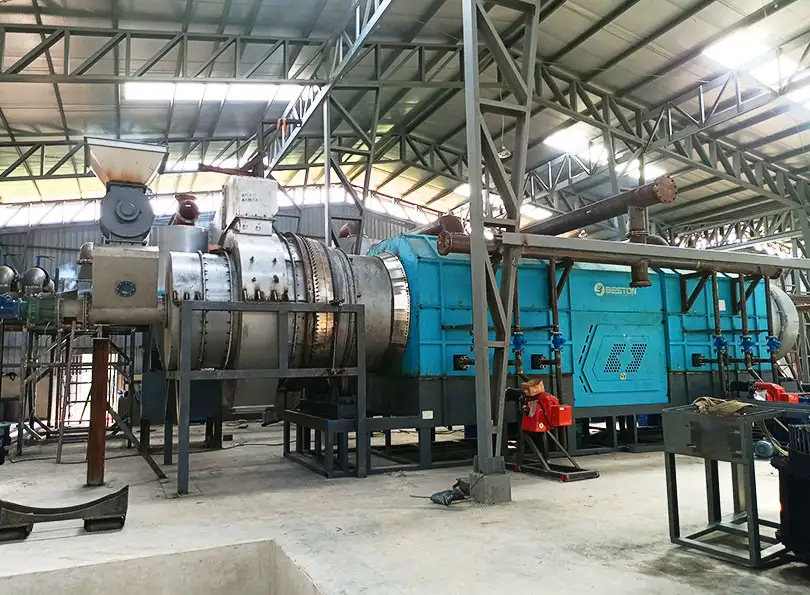
The management of oil sludge waste has become a critical concern in industries such as oil and gas production, petrochemicals, and environmental remediation. Oil sludge, often a complex mixture of water, oil, solids, and chemicals, is both hazardous and challenging to treat. However, the thermal desorption unit (TDU) has emerged as an innovative solution to address this problem. TDUs utilize heat to separate oil, water, and solids from sludge, providing an efficient and environmentally sustainable method for waste management.
1. How a Thermal Desorption Unit Works
A thermal desorption unit operates by heating oil sludge to elevated temperatures, typically ranging from 300°C to 600°C, in a controlled environment. This heat induces the volatilization of organic components, such as oils and volatile organic compounds (VOCs), which are then collected and condensed for further processing or disposal. The process effectively separates the hazardous oil from the sludge, leaving behind solid residuals that can be safely disposed of or further treated.
TDU can be categorized into two main types: rotary kiln desorption and vertical thermal desorption. Both methods apply heat but differ in the mechanics of sludge movement and heat transfer. Rotary kilns are often used for large-scale operations and can handle a variety of sludge types, including those with high solid content. Vertical TDUs, on the other hand, are more compact and are suitable for treating smaller volumes of sludge or for operations with limited space.

2. Advantages of Using a TDU for Oil Sludge Management
The use of a thermal desorption unit in oil sludge management offers several significant advantages over traditional treatment methods such as landfilling or incineration.
-
Efficient Oil Recovery: One of the primary benefits of using a TDU is the efficient recovery of valuable oil from waste sludge. The thermal desorption process allows for the extraction of up to 99% of the oil from the sludge, depending on the composition and operating conditions. This recovered oil can be recycled and reused in industrial applications, reducing the need for new raw materials and minimizing environmental impact.
-
Reduction of Hazardous Waste: TDUs minimize the amount of hazardous waste that requires disposal by separating harmful chemicals and oil from the sludge. The residual solids left behind after thermal desorption can often be safely disposed of in landfills or used for further applications, reducing the environmental footprint of the operation.
-
Lower Emissions: When compared to traditional incineration methods, TDUs produce lower emissions of greenhouse gases and other pollutants. The controlled heating environment within the unit allows for the capture and treatment of harmful gases, ensuring that only minimal amounts of pollutants are released into the atmosphere.
-
Versatility: A thermal desorption unit can handle a wide range of oil sludge types, from those with low oil content to more challenging materials such as oily sands or sludges contaminated with chemicals. This versatility makes TDUs an attractive option for industries dealing with diverse waste streams.
3. Environmental Benefits of TDUs
The environmental benefits of using a TDU for oil sludge waste management are substantial. Traditional methods like landfilling pose long-term environmental risks, as oil sludge can leach into soil and groundwater, causing contamination. Incineration, while effective in reducing volume, often results in the release of toxic gases and particulate matter, contributing to air pollution and greenhouse gas emissions.
By contrast, the thermal desorption process offers a cleaner alternative. The oil recovery aspect of the TDU reduces the demand for petroleum products, while the removal of hazardous substances from the sludge reduces the risk of contamination. Additionally, the controlled emissions during the thermal desorption process ensure that any released gases are properly treated before being released into the atmosphere, further reducing the environmental impact.
4. Applications of Thermal Desorption Units
The TDU is particularly beneficial in industries that generate large amounts of oil sludge, such as:
-
Oil and Gas: In oil and gas production, especially in offshore drilling operations, oil sludge accumulates from the treatment of produced water, tank cleaning, and drilling operations. TDUs can efficiently treat this sludge, recovering valuable oil and reducing the environmental risks associated with its disposal.
-
Petrochemical and Refining: Oil sludge produced during the refining of crude oil and other petrochemical processes can be treated with TDUs to recover oil and minimize hazardous waste. This contributes to the overall sustainability of the refinery operation.
-
Environmental Remediation: TDUs are also used in environmental cleanup projects, particularly for sites contaminated with oil sludge and other hydrocarbons. The ability to treat and recover oil from contaminated soils and sediments makes TDUs a valuable tool in environmental remediation efforts.
5. Challenges and Considerations
While the thermal desorption unit offers many benefits, there are also challenges to consider. The initial capital investment for a TDU system can be substantial, particularly for larger-scale operations. Operating and maintenance costs, while lower than traditional incineration, can still be significant, especially when treating large volumes of sludge.
Additionally, the efficiency of the TDU is influenced by factors such as the composition of the sludge, the operating temperature, and the residence time within the unit. Optimal conditions must be carefully monitored and adjusted to maximize the recovery of oil and minimize energy consumption.
Conclusion
The thermal desorption unit (TDU) represents a transformative technology in oil sludge waste management. With its ability to recover valuable oil, reduce hazardous waste, and minimize environmental impact, the TDU provides an effective and sustainable solution to a growing global problem. As industries continue to prioritize sustainability, the adoption of TDUs is expected to increase, offering a cleaner and more efficient method for managing oil sludge and promoting a circular economy.