Showing posts with label charcoal making machine. Show all posts

Thursday, September 3, 2026

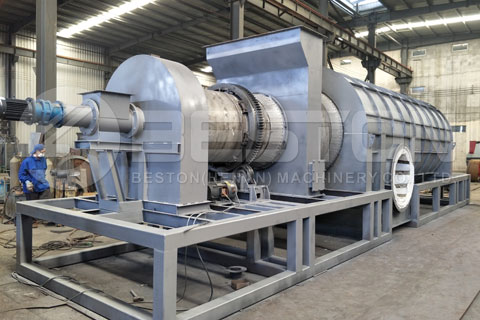
Biochar Machine for Coconut Shell: From Biomass Waste to High-Value Biochar

 Every year, millions of tons of coconut husks and shells end up rotting in agricultural sites or burning in uncontrolled open pits, releasing massive amounts of carbon dioxide and particulate matter into the atmosphere. This discarded biomass is not merely agricultural waste—it is an underutilized, carbon-dense resource waiting for high-value conversion.

When processed through precision thermal conversion, coconut shells transform into premium, fixed-carbon biochar with high market value. Utilizing a dedicated coconut charcoal making machine transforms an environmental liability into a highly lucrative industrial output.
Lignocellulosic Advantages of Coconut Shells

Not all biomass feedstocks perform equally inside a pyrolysis reactor. Softwoods, grasses, and crop residues often contain high ash content and fragile cellular structures, producing low-density char that degrades easily. Coconut shells stand in a class of their own due to their distinct structural makeup:

  • High Lignin Ratio: Coconut shells contain an extraordinarily high lignin fraction (between 30% and 45%), giving the resulting biochar rigid mechanical strength and low friability.

  • Low Ash Residue: Unlike rice husks or straw, coconut shells contain minimal inherent mineral ash, yielding biochar with exceptionally pure fixed carbon.

  • Dense Micro-Porous Matrix: The dense natural cellular structure creates a micro-porous network upon thermal decomposition, making it the premier precursor for high-spec activated carbon.

Inside the Continuous Pyrolysis Thermal Conversion

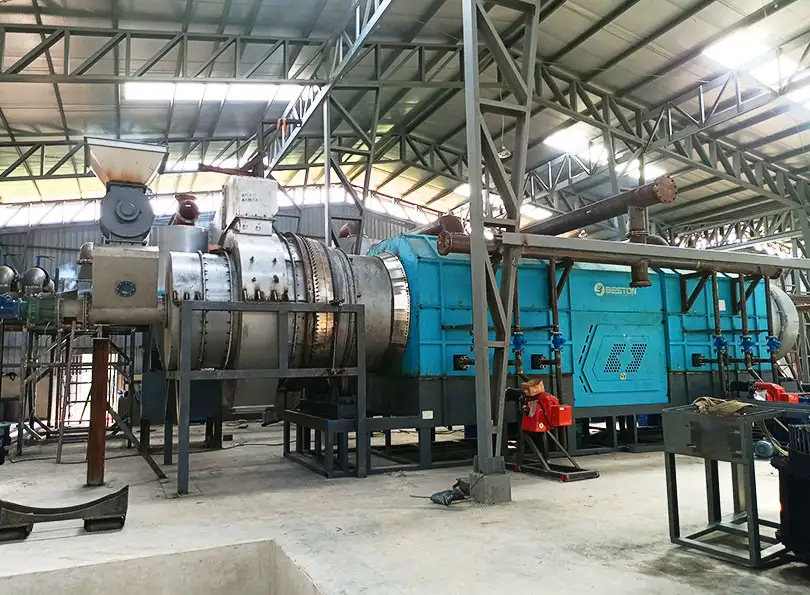
The conversion process relies on continuous indirect heating within an oxygen-starved reactor environment, maximizing solid carbon yield while capturing volatile gases for energy regeneration.

Pre-Treatment and Moisture Management

Raw shells undergo aggressive mechanical sizing to establish uniform thermal conductivity across all particles. Biomass then moves into a multi-pass rotary drying unit, reducing internal moisture below 15%. Removing excess moisture prevents temperature drops inside the reactor core, keeping processing costs low and operating speeds high.

Anoxic Pyrolysis Reaction

The prepared biomass enters a sealed continuous rotary kiln. Operating in a strictly oxygen-deprived atmosphere at controlled temperatures between 450°C and 700°C, the thermochemical reaction strips away volatile compounds without allowing combustion to occur.

Syngas Vapor Recovery Loop

As heat fractures the molecular bonds of the biomass, off-gases (syngas) flash off. Instead of venting these gases, an advanced cyclone collection and condensing array cleans the syngas and routes it back into the primary burner manifold. Once running, the system powers its own thermal reactor loop, cutting operational energy costs significantly.

Sealed Discharging and Stabilization

Hot biochar exits the reactor at extreme temperatures and passes through an enclosed water-cooled discharge screw. Rapidly dropping below auto-ignition levels before contacting air prevents oxygen degradation, preserving structural integrity and safety.

High-Value Commercial End-Markets

The output from a continuous coconut charcoal making machine unlocks access to high-margin global supply chains:

  • High-Spec Activated Carbon Precursor: Its unique micropore distribution makes coconut biochar the preferred raw material for water filtration, gas purification, and gold recovery applications.

  • Soil Remediation and Carbon Sequestration: Applied to degraded soil, coconut biochar drastically improves water retention, boosts cation exchange capacity, and sequesters atmospheric carbon for hundreds of years.

  • Smokeless Metallurgical Fuel: High fixed carbon and ultra-low sulfur levels make densified coconut biochar a clean alternative fuel in metallurgy and specialized industrial heating.

Deploying high-efficiency pyrolysis technology bridges the gap between agricultural waste disposal and advanced carbon manufacturing, turning low-cost regional biomass into an indispensible industrial commodity.

Monday, March 30, 2026

Sustainable Charcoal Production: How Charcoal Making Machines Contribute to a Circular Economy

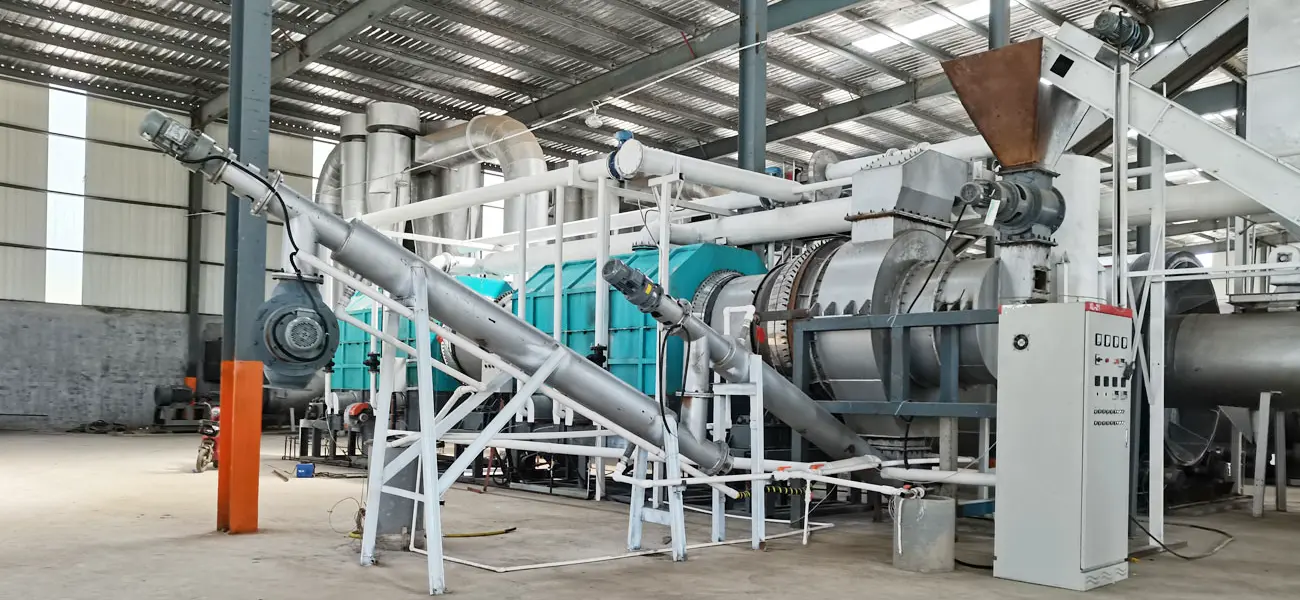
 Sustainable practices are at the core of the modern manufacturing landscape, and charcoal production is no exception. As industries seek ways to minimize their environmental footprint, the adoption of advanced technologies, such as the BBQ charcoal making machine, plays a crucial role in transforming waste materials into valuable resources. By utilizing organic waste, these machines support the principles of a circular economy, where materials are continuously recycled and repurposed, reducing the need for virgin resources and minimizing waste.

The Role of Charcoal Making Machines in Sustainable Production

The charcoal production process has historically been associated with deforestation, contributing to environmental degradation and loss of biodiversity. However, with the advent of the BBQ charcoal making machine, the industry has shifted towards more sustainable practices. These machines use bamboo, a rapidly renewable resource, or other organic materials, to produce charcoal through a process known as pyrolysis. In pyrolysis, biomass is heated in a low-oxygen environment, breaking it down into valuable byproducts like charcoal, bio-oil, and syngas.

Unlike traditional methods, which rely on wood harvesting and often result in carbon emissions from open burning, the BBQ charcoal making machine creates charcoal without depleting natural forests. The machine utilizes fast-growing bamboo, which can be harvested within a few years, ensuring a continuous supply of raw material. This shift to renewable biomass helps mitigate the negative impacts of conventional charcoal production, aligning with environmental sustainability goals.

Circular Economy and Resource Efficiency

At the heart of the BBQ charcoal making machine's role in sustainable production lies its contribution to the circular economy. In this model, waste is not simply discarded but repurposed and transformed into new, valuable products. Bamboo, agricultural residues, and other organic waste that would typically be considered waste are turned into charcoal through the pyrolysis process. The charcoal produced can then be used for various applications, including cooking, heating, and industrial processes, effectively closing the loop on waste and reducing the need for new raw materials.

The efficiency of the BBQ charcoal making machine extends beyond its primary function of charcoal production. The byproducts generated during the pyrolysis process, such as syngas and bio-oil, can be further utilized for energy generation. The syngas can be burned as fuel to power the machine itself, creating a self-sustaining system. Bio-oil, another byproduct, can be refined into additional energy sources or chemicals, offering further opportunities for waste-to-resource conversion.

This closed-loop system maximizes the use of every input, reducing the amount of waste that ends up in landfills and decreasing the overall demand for new raw materials. By turning organic waste into a valuable fuel source, the BBQ charcoal making machine reduces reliance on fossil fuels and contributes to a more resource-efficient, circular economic model.

Environmental Impact and Carbon Footprint Reduction

The environmental impact of charcoal production is significant, particularly in regions where forests are being cleared for charcoal production. The BBQ charcoal making machine offers a more sustainable alternative by using bamboo, which grows rapidly and can be replenished in a fraction of the time it takes for trees to mature. Additionally, the pyrolysis process produces fewer carbon emissions than traditional methods like open burning or incineration, making it a cleaner option for producing charcoal.

Furthermore, the ability to utilize waste materials for charcoal production directly contributes to carbon sequestration. The process captures carbon that would otherwise be released into the atmosphere through natural decomposition or burning. By converting waste into charcoal, the machine helps store carbon in a solid form, effectively removing it from the carbon cycle for extended periods.

Supporting Local Economies and Sustainable Practices

The adoption of BBQ charcoal making machine also has socio-economic benefits, particularly in rural areas where bamboo and other organic waste materials are abundant. Small-scale charcoal production can provide additional income streams for farmers and local communities, promoting sustainable land management practices. Bamboo, being a highly renewable resource, encourages the cultivation of bamboo plantations, which provide an environmentally friendly source of income while improving soil health and preventing erosion.

Moreover, the decentralized nature of small-scale bamboo charcoal production allows local communities to manage their waste more effectively, contributing to a cleaner environment and reducing the need for large-scale, energy-intensive waste disposal systems. This creates a more resilient, self-sustaining economic model that aligns with the broader goals of environmental stewardship and sustainability.

Conclusion

The BBQ charcoal making machine plays a vital role in transforming the traditional charcoal industry into a more sustainable and circular process. By utilizing renewable biomass, such as bamboo, and converting organic waste into valuable charcoal and energy byproducts, these machines support the reduction of deforestation, minimize waste, and contribute to cleaner, greener manufacturing practices. The integration of pyrolysis technology into charcoal production not only promotes environmental sustainability but also enhances resource efficiency, supporting the global transition toward a circular economy.

Thursday, December 4, 2025

Exploring the Use of Coconut Shells in Charcoal Manufacturing Technology

 Coconut shells have become an increasingly prominent biomass feedstock in modern charcoal manufacturing systems. Their dense lignocellulosic structure, low ash content, and high fixed carbon proportion create an advantageous foundation for producing high-quality charcoal. As demand grows for renewable solid fuels and sustainable material alternatives, coconut shell utilization has evolved from traditional small-scale combustion to advanced thermochemical conversion supported by industrial carbonization equipment.

Leveraging Biomass Efficiency Through Thermal Decomposition

Coconut shells exhibit a unique combination of hardness, uniformity, and low moisture, allowing them to undergo controlled thermal decomposition with elevated efficiency. When subjected to pyrolytic heating inside carbonization equipment, the shells transition into a carbon-rich matrix with minimal tar formation. This transformation is characterized by a steady breakdown of volatile compounds and the retention of structured carbon that supports consistent calorific performance. The resulting charcoal demonstrates superior density and combustion stability, attributes that are highly valued in both energy and metallurgical applications.

Enhancing Charcoal Quality With Advanced Processing Methodologies

Modern charcoal manufacturing technology incorporates refined process controls to improve product consistency. Precision air-sealing, optimized residence time, and automated temperature modulation ensure uniform carbonization. These parameters influence pore development, volatile removal, and carbon content. Coconut shell charcoal produced through such systems often has heightened adsorption capacity and mechanical strength. This makes it suitable for downstream uses such as water purification media, industrial deodorizing agents, and refining catalysts. By integrating improved process automation, manufacturers can maintain reliable output even when raw material characteristics exhibit natural variability.

Supporting Renewable Energy Production and Emission Reduction

Coconut shell charcoal offers a renewable alternative to fossil-based solid fuels. Its high calorific value enables efficient thermal output in boilers, furnaces, and biomass stoves. When processed through carbonization equipment designed for energy recovery, the system can capture pyrolysis gas and reuse it as a heating source, reducing overall energy input and operational emissions. The circular utilization of coconut waste contributes to lower greenhouse gas emissions compared to conventional coal production. This integration enhances energy resilience in regions with abundant coconut agriculture.

Expanding Industrial Applications Beyond Conventional Fuel Use

The properties of coconut shell charcoal extend its utility into industrial manufacturing sectors. Its hardness and reactivity make it suitable for metal smelting, electrode production, and chemical synthesis pathways requiring stable carbon intermediates. Activated carbon produced from coconut shell charcoal is widely used in air filtration, gold recovery, solvent purification, and pharmaceutical processes. The micro-porous structure formed during controlled carbonization significantly boosts adsorptive efficiency, giving it competitive advantages over wood-based activated carbon.

Strengthening Agricultural and Rural Economies

The deployment of efficient charcoal manufacturing systems generates value for agricultural communities. Coconut-producing regions benefit from the conversion of shell waste into marketable carbon products, reducing open dumping and improving rural waste management. Carbonization equipment enables decentralized processing units that can be operated at village or cooperative levels, expanding income opportunities. This localized value addition supports sustainable resource management while creating supply chains for environmentally responsible charcoal products.

Through advanced thermochemical processing, coconut shells are transformed into high-value carbon materials that support energy systems, industrial processes, and environmental stewardship. The integration of precise carbonization technology amplifies their potential and positions coconut biomass as a crucial contributor to modern renewable material pathways.

Monday, November 24, 2025

Using a Charcoal Making Machine to Manufacture BBQ Charcoal for Commercial Markets

 Commercial demand for high-calorific, low-smoke grilling fuel has intensified as outdoor cooking, restaurant services, and recreational catering industries expand globally. The production of barbecue-grade charcoal has transitioned from traditional pit burning to controlled thermochemical processing using modern equipment. A BBQ charcoal machine enables manufacturers to convert biomass residues into uniform, high-density briquettes suitable for commercial distribution, ensuring consistent performance and environmental compliance.

Converting Biomass Into High-Quality Charcoal

A BBQ charcoal machine utilizes pyrolysis technology to carbonize agricultural residues such as sawdust, coconut shell, bamboo, rice husk, and wood chips. By operating in an oxygen-limited environment, the equipment thermally decomposes lignocellulosic matter into charcoal, syngas, and wood vinegar. The resulting charcoal contains high fixed carbon content, excellent combustion stability, and minimal volatile impurities. These qualities make it ideal for barbecue applications where steady heat, low smoke emission, and long burning duration are critical.

Enhancing Briquette Strength and Uniformity

Once carbonization is complete, the fine charcoal powder is mixed with a binding agent and undergoes compression in a molding press. This process shapes the charcoal into cylindrical, hexagonal, or pillow-shaped briquettes, depending on market preference. High-pressure molding ensures optimal density and uniformity, improving ignition properties and prolonging combustion. Precision control within the BBQ charcoal machine helps maintain consistent moisture content, particle size, and extrusion pressure, resulting in a superior briquette suitable for commercial packaging and large-scale export.

Promoting Energy Efficiency and Emission Reduction

Wood-based charcoal production traditionally releases large quantities of carbon monoxide, particulate matter, and tar into the atmosphere. With advanced pyrolysis and gas purification technology integrated into a BBQ charcoal machine, emissions are drastically reduced. Syngas generated during production is recycled to fuel the carbonization chamber, significantly lowering external energy usage. This closed-loop energy utilization improves operational efficiency while supporting environmental sustainability.

Meeting Market Requirements and Quality Standards

Commercial markets prioritize charcoal products that are clean-burning, odorless, and capable of reaching high temperatures rapidly. High-quality barbecue charcoal produced using modern equipment satisfies these criteria, exhibiting minimal ash content and steady heat output. The durability of briquettes ensures they retain structural integrity during transportation and handling. Packaging customization, such as moisture-resistant bags or branded cartons, further enhances marketability for wholesalers, retailers, and international distributors.

Supporting Profitability and Industrial Scalability

A BBQ charcoal machine offers scalable production capacity suited for small enterprises or large industrial processing lines. Automation reduces labor dependence, increases throughput, and improves production consistency. In regions where biomass waste is abundant, manufacturers benefit from cost-effective feedstock sourcing. This improves profit margins while promoting waste valorization and supporting renewable energy initiatives. Export opportunities are also expanding, particularly in regions with strong demand for high-grade grilling fuel, such as Europe, North America, and the Middle East.

Aligning With Eco-Friendly Business Practices

The shift toward sustainable outdoor cooking fuels has boosted the appeal of biomass-based charcoal. Unlike fossil-derived briquettes, charcoal produced from agricultural residues is considered renewable, biodegradable, and carbon-neutral. It contributes to reduced deforestation and supports environmental certification compliance. Businesses adopting a BBQ charcoal machine can strategically position themselves in the green fuel market, enhancing brand credibility and long-term commercial resilience.

Modern barbecue fuel production has evolved into a precise, energy-efficient manufacturing process. With advanced equipment, biomass waste transforms into valuable charcoal products that meet the demands of global commercial markets.

Thursday, November 20, 2025

Using a Charcoal Making Machine to Convert Forestry Residues Into Sustainable Fuel

 Forestry residues, including branches, sawdust, and bark, represent a substantial underutilized biomass resource. Left unmanaged, these materials contribute to environmental hazards such as forest fires, decomposition emissions, and inefficient land use. Charcoal making machine technology provides a controlled method to convert these residues into high-value, sustainable fuel. A rice husk charcoal machine exemplifies this capability, enabling precise thermal conversion and consistent carbonization of biomass feedstocks.

Harnessing Residual Biomass for Energy

The disposal of forestry residues is both costly and environmentally taxing. Open burning or uncontrolled decomposition releases greenhouse gases and particulate matter, impacting air quality and contributing to climate change. Charcoal making machines offer a technologically advanced alternative. By subjecting biomass to oxygen-limited thermal decomposition, a rice husk charcoal machine produces stable carbon-rich fuel, capturing energy that would otherwise be lost. This process transforms waste into a renewable energy source, aligning with sustainable forestry management principles.

Enhancing Fuel Quality and Efficiency

The efficiency of biomass-to-charcoal conversion depends on temperature control, residence time, and reactor design. A rice husk charcoal machine provides uniform heating, ensuring consistent carbon content and low moisture levels in the final product. These characteristics enhance combustion efficiency and energy density, making the charcoal suitable for industrial, domestic, and commercial applications. Additionally, the stable porosity of charcoal improves storage properties and reduces the risk of spontaneous ignition during handling.

Environmental and Operational Benefits

Utilizing forestry residues in charcoal production mitigates environmental impact on multiple fronts. Charcoal making machines reduce open burning emissions, sequester carbon in a solid stable form, and decrease reliance on fossil fuels. The process generates minimal smoke and allows for the capture of by-products, such as volatile gases, which can be recycled to sustain the heating process. A rice husk charcoal machine incorporates features such as airtight reactors and gas circulation systems to enhance operational safety and minimize pollution.

Promoting Circular Economy Practices

Integrating a charcoal making machine into forestry management contributes to circular economy objectives. Residues that would otherwise remain as waste are converted into a valuable energy commodity, creating economic opportunities in rural and forest-adjacent communities. The rice husk charcoal machine can accommodate various biomass sizes and moisture contents, allowing operators to maximize feedstock utilization and minimize material losses. This adaptability supports both small-scale operations and larger industrial implementations.

Long-Term Strategic Implications

Adopting charcoal making technology for forestry residues aligns with sustainable energy strategies and climate resilience goals. By producing renewable fuel, it reduces pressure on non-renewable energy sources and contributes to carbon management efforts. The integration of a rice husk charcoal machine enables efficient, high-yield conversion while maintaining environmental compliance and operational safety. Over time, these benefits establish a reliable, sustainable pathway for energy production, reinforcing the strategic value of forestry residue utilization and advanced biomass processing technologies.

Wednesday, November 5, 2025

How Biochar Production Equipment Supports Regenerative Farming Systems

 Regenerative farming emphasizes the restoration of soil health, biodiversity, and ecosystem balance through sustainable land management practices. Central to this approach is the use of biochar—a carbon-rich material produced from biomass under limited oxygen conditions. Modern biochar production systems, including the BBQ charcoal making machine, have emerged as pivotal technologies that enable agricultural sectors to transition from extractive models to restorative cycles. By transforming agricultural residues into stable carbon materials, these systems strengthen soil fertility, enhance carbon sequestration, and reduce environmental degradation.

Converting Agricultural Waste into Soil Regeneration Tools

A BBQ charcoal making machine provides a controlled environment for the carbonization of organic residues such as rice husks, corn stalks, and wood chips. The process converts unstable biomass into durable biochar through thermal decomposition at high temperatures. Unlike open burning, this method retains a significant portion of the carbon content within the material, effectively preventing greenhouse gas emissions. Farmers utilizing this conversion technology not only manage waste efficiently but also produce a valuable soil amendment that supports long-term nutrient cycling.

Enhancing Soil Structure and Microbial Activity

Biochar functions as a structural matrix within the soil, improving aeration, moisture retention, and cation exchange capacity. Its porous architecture provides microhabitats for beneficial microorganisms, facilitating the establishment of a biologically active soil ecosystem. The biochar produced by a BBQ charcoal making machine exhibits high surface area and stable carbon bonds, both critical for microbial colonization and nutrient retention. These characteristics reduce fertilizer leaching and promote sustained nutrient availability, thereby enhancing crop productivity without overreliance on chemical inputs.

Carbon Sequestration and Climate Mitigation

One of the defining attributes of biochar is its ability to act as a long-term carbon sink. When applied to soil, the carbonized structure resists microbial decomposition for centuries, effectively capturing atmospheric carbon in a stable form. The production of biochar through a BBQ charcoal making machine aligns with global carbon reduction strategies, offering measurable contributions to emission offset programs. In regenerative agriculture systems, this carbon retention not only mitigates climate change but also improves soil resilience against drought and erosion.

Resource Circularity and Farm-Level Sustainability

The integration of biochar production within agricultural operations exemplifies resource circularity. Crop residues that would otherwise be discarded or burned can be processed into biochar and reintroduced into the same fields from which they originated. This closed-loop system reduces waste output, minimizes dependency on synthetic soil enhancers, and improves overall nutrient efficiency. The compact design and operational flexibility of a BBQ charcoal making machine make it particularly suitable for decentralized, farm-level applications where mobility and simplicity are essential.

Supporting Regenerative Practices Through Innovation

The success of regenerative farming depends on the synergy between natural processes and technological advancement. Biochar production equipment bridges this gap, providing an engineered solution for ecological restoration. By integrating carbonization technology into soil management practices, farmers can accelerate soil recovery, enhance crop yield stability, and restore degraded lands. Each application of biochar signifies a step toward a regenerative model that values both productivity and planetary health.

Through the adoption of efficient carbonization technologies such as the BBQ charcoal making machine, regenerative farming transitions from concept to practice. The combination of waste valorization, soil rejuvenation, and carbon retention embodies a future in which agriculture functions not as an extractor of resources but as a restorative force within the global ecosystem.

Wednesday, August 27, 2025

The Contribution of a Palm Shell Charcoal Machine to Biomass Recycling

 Biomass recycling is gaining strategic importance as industries and communities search for low-carbon solutions and efficient resource utilization. Among the available technologies, a palm shell charcoal machine stands out for its ability to transform agricultural residues into high-value carbon products. This equipment not only addresses waste management challenges but also contributes to energy diversification, soil regeneration, and the broader framework of sustainable resource cycles.

Transforming Agricultural Residues into Carbon Resources

Palm shells, a by-product of the palm oil industry, are often discarded or incinerated without effective recovery. A palm shell charcoal machine provides a technologically refined pathway to convert these residues into stable carbon structures through pyrolytic processes. By heating under controlled, oxygen-deficient conditions, the machine produces charcoal with significant calorific value, suitable for industrial fuel, household cooking, or metallurgical use. This transformation turns agricultural refuse into a tangible energy asset.

Contribution to Energy Diversification

One of the key outputs of a palm shell charcoal machine is high-density charcoal, which serves as a renewable substitute for conventional fossil fuels. The energy content of palm shell charcoal makes it suitable for industrial boilers, gasifiers, and even small-scale power generation systems. This substitution reduces reliance on coal and petroleum, thereby decreasing greenhouse gas emissions while providing stable, localized energy sources. In parallel, the syngas generated during the process can be recaptured and used to fuel the system itself, enhancing overall energy efficiency.

Enhancing Soil Productivity through Biochar Application

Beyond fuel applications, the carbon-rich residues from palm shells can be processed into biochar. When incorporated into agricultural soils, this product improves water retention, nutrient exchange capacity, and microbial activity. A palm shell charcoal machine, therefore, contributes indirectly to agricultural sustainability by enabling the creation of biochar-based soil amendments. The sequestration of carbon within soil systems further extends the environmental benefits, offering a long-term solution for carbon stabilization.

Reduction of Waste and Pollution

Improper disposal of palm shells can generate significant environmental problems, including open-air burning and uncontrolled decomposition. Such practices release particulates, volatile compounds, and methane. Operating a palm shell charcoal machine mitigates these issues by providing a controlled processing environment. Pollutants are reduced, waste volumes are minimized, and emissions are managed through integrated gas treatment systems. This contributes to improved air quality and reduced ecological degradation in palm-producing regions.

Integration into Biomass Recycling Systems

A palm shell charcoal machine is more than a standalone waste conversion device. It plays a vital role within integrated biomass recycling frameworks. By transforming residues into energy carriers, soil enhancers, and stable carbon, it closes resource loops and supports circular economy objectives. The machine’s adaptability to different scales of operation—from plantation-level installations to industrial biomass hubs—further broadens its contribution to resource efficiency.

In conclusion, the role of a palm shell charcoal machine extends beyond waste conversion. It enables energy substitution, supports soil regeneration, reduces environmental pollution, and integrates seamlessly into biomass recycling ecosystems. Through these functions, it elevates agricultural by-products from disposable residues into strategic resources for sustainable development.

Wednesday, August 18, 2021

Coconut Shell Charcoal Production Equipment: Purchase Here

 Choose Us!


So why do companies create content like this? We create content similar to this because we wish your organization. You want anyone to spend some money around and not any kind of our competition. Just how do we have you to decide on us over over companies? It can be our hope that by showing you we not just get the right equipment, but we now have the proper price, the right quality, the proper customer support, the right attitude, and the desire to help you what you are looking for. Hopefully, by demonstrating all of the above you will know we would be the right company to buy your coconut shell charcoal production equipment from.


Prove It!


We know for a fact that any business can boast of being the perfect company for you personally, each of them can make a variety of promises and claim how great these are. Making these types of claims are the cornerstone of marketing techniques. So what can truly separate a business in the pack is if they can prove that they are who they promise. The number of companies actually spend some time to do this? Hardly any! Hopefully that by proving which we are different you are going to choose to purchase coconut shell charcoal production equipment from us rather than someone else. Information on how to make coconut charcoal.


Proving It?


If words usually are not enough, if all companies market and advertise in a similar manner, then how can we prove which we are very different? Exactly what can we tell you that will make a big difference? The truth is that we cannot. Sometimes in daily life you can not speak for yourself, you want others to do so. For people like us, we let our reputation speak for all of us, we let our customers and the reviews which they leave about us speak for us since it means so much more.


Research Us


If you would like know if our company is the correct company, then research our reputation. Check out what our customers ought to say, read their testimonies, ratings and reviews. See for your self and possess something not just another company putting themself inside a good light to go buy. That may be our challenge for you, take time to select the right company by researching them, fact check them, learn what their clients ought to say, this really is the best way to opt for the company to purchase this equipment from.


Endgame


For those who have caused it to be this far, you realize what you ought to do. You should locate a company using a great reputation, a business with top customer satisfaction, fair prices, inventory, fast delivery and all the stuff that matter. In the event that sort of company you might have found an excellent thing. In the event you take time to research our reputation then you will notice that our company is the best company for yourself. We meet all of the standards which you have into position therefore we are prepared to allow you to select the right equipment for the business today.

Wednesday, October 14, 2020

How You Can Find A Coconut Shell Charcoal Machine

 Producing charcoal can be carried out in several ways. Essentially, material which is combustible needs to be heated into a high temperature without catching on fire. This may only be accomplished in the lack of oxygen, where there are machines that will help using this type of process. Pyrolysis machines are becoming quite elaborate, and are also less expensive than ever before. Should you be in charge of a Coconut farm, and you have thousands of coconut shells during harvest, you really should convert those into charcoal to make a profit.

Coconut Shell Charcoal Machine

An Introduction To How This Technique Works


The method is very complex. It does require many different working factors. Firstly, there needs to be a reactor the location where the material might be super heated to temperatures of various hundred degrees. With a certain point, this could cause a chemical improvement in the coconut shells. They will be reduced to numerous components. Among those will likely be a great form, blackened in appearance, and this will end up being the charcoal residue that can be used or sell.


How Will You Find Coconut Shell Charcoal Machines?


Finding machines this way is easier due to Internet. As an alternative to having to examine trade magazines, or find a person which can help you, you can easily buy them online. You ought to be careful as there are many copycat companies out there which are mimicking the best in the business. They might have more affordable prices, but the caliber of their goods are certainly lacking. It is actually crucial for you to do research in the background for each business to see just how long they have been producing these types of pyrolysis plants or machines. Get the coconut shell charcoal making machine price here.


The Best Way To Choose The Correct One For Your Personal Business


The best one for the company is going to be associated with the number of coconut shells you produce each and every year. Obviously, you might be only going to take advantage of this at certain times because of the seasonal crop. Therefore, you may want to only get yourself a smaller pyrolysis machine that can do the job. However, you may have an important operation, covering 1000s of acres, which might necessitate multiple machines a treadmill larger plant. These will have to be controlled by folks that are qualified to work this sort of apparatus for making charcoal from coconut shell.


Will It Require Much Time To Learn How To Utilize Them?


Generally, for their simplistic nature, the controls may be learned inside the span of one particular day. Increasingly good at it is going to happen as time passes. Within weeks, individuals that you are currently training are fully aware of what to do and troubleshoot problems that may arise.


When you have not owned one before, and you do have thousands of coconut shells which can be processed, this will be a rewarding investment. You may sell the charcoal worldwide as this is a commodity that may be always in demand. Regardless of where your home is, you must be able to select one on the market that is precisely what you require to your business.

Thursday, July 16, 2020

Cheap Biochar Production Equipment For Sale In China

Biochar production equipment is utilized in waste processing facilities everywhere in the planet to make charcoal from various biomass waste. Some of the types of biomass waste which can be processed by biochar machines include bamboo, palm kernels, straw, sawdust, coconut shells, peanut shells, olive shells, and wood. Such biochar production equipment for sale is bought by customers in all of the corners on the planet, including those in the united kingdom, the Philippines, Argentina, Australia, South Africa, Indonesia, Norway, Turkey, Egpyt, and Syria. Biochar production gear is only set to become most popular as more countries recognize the need to find green ways to manage increasing levels of organic waste materials. You will find many of the cheapest charcoal making machines easily obtainable in China. This really is mainly mainly because that raw material and labor costs are less costly because country.

Biochar Production Equipment


The conclusion products created from biochar making machines include biogas, charcoal, tar, and wood vinegar. Tar and wood vinegar are typically sold directly to the chemical production industry. Meanwhile, biogas is reused within a biomass waste processing plant to fuel the reactor heating system. Biomass charcoal typically includes a carbon content exceeding 90%, along with its high caloric value causes it to be an improved fuel than coal. Furthermore, it has an added advantage of burning very cleanly, so it will be better for your environment than coal when used as heating fuel. Get the machine: https://www.bestongroup.com/wood-charcoal-making-machine/.

While most the biomass charcoal manufactured in a waste recycling facility comes as fuel, several of it is usually converted into a wealthy soil fertilizer and sold to agriculture and horticulture sector. The main reason bio charcoal makes a great soil improvement addictive is it is rich in micronutrients like zinc, phosphorous, nitrogen, manganese, and calcium. It can increase crop yields greatly, so it is always sought after from agricultural farmers. Some biochar produced could also be used to generate activated carbon, which is sought-after by many people industries, such as the paint industry, the tire industry, and also the pharmaceutical industry.

With regards to comparing different types of biochar production equipment available for sale on the net, it's crucial that you make a note of manufacturers' data specification sheets. Several of the parameters to check out include reactor size, reactor type, working method, average working life, operating pressure, hourly feeding capacity, power rating, and area requirements. The raw material hourly feeding capacity of the majority of biochar making machines lies between 500kg and 3 tons. It is actually possible to find larger biomass waste plant equipment that can process even bigger quantities of raw materials each hour, although the high expense of such devices are used prohibitive for many recycling companies.

The great thing about charcoal making machines is they can run on a range of fuel sources, including coal, gas, diesel oil, LPG, biogas, charcoal, coal, etc. Furthermore, they are generally incredibly energy-efficient, so have low running costs. The latest machines are fitted with advanced de-dusting systems to make sure that no pollution is emitted in the atmosphere or processing facility during operation.

Biochar Machine for Coconut Shell: From Biomass Waste to High-Value Biochar

 Every year, millions of tons of coconut husks and shells end up rotting in agricultural sites or burning in uncontrolled open pits, releasi...