Coconut shells have become an increasingly prominent biomass feedstock in modern charcoal manufacturing systems. Their dense lignocellulosic structure, low ash content, and high fixed carbon proportion create an advantageous foundation for producing high-quality charcoal. As demand grows for renewable solid fuels and sustainable material alternatives, coconut shell utilization has evolved from traditional small-scale combustion to advanced thermochemical conversion supported by industrial carbonization equipment.
Leveraging Biomass Efficiency Through Thermal Decomposition
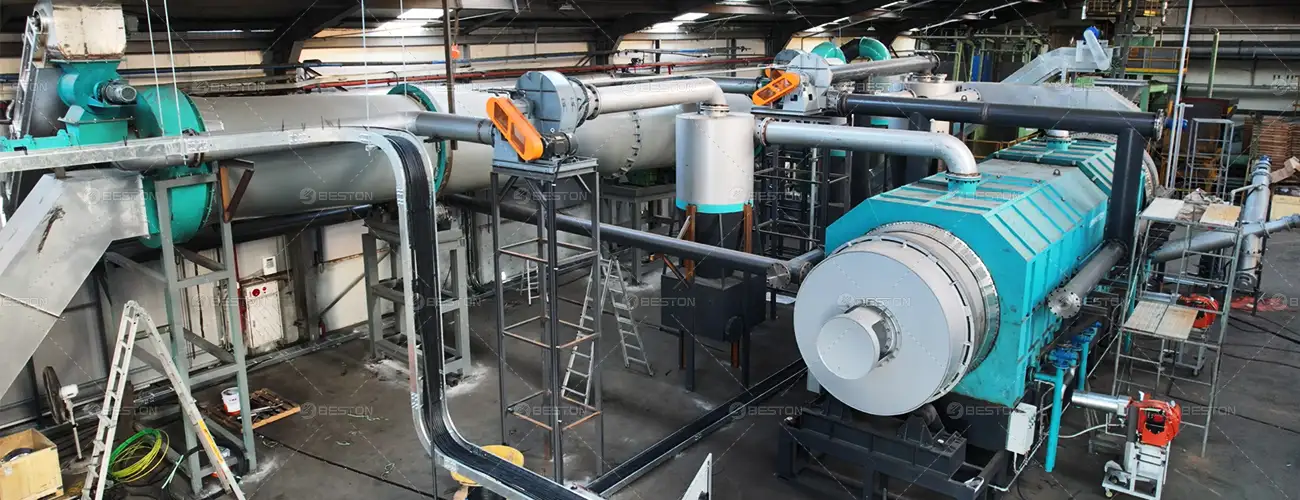
Coconut shells exhibit a unique combination of hardness, uniformity, and low moisture, allowing them to undergo controlled thermal decomposition with elevated efficiency. When subjected to pyrolytic heating inside carbonization equipment, the shells transition into a carbon-rich matrix with minimal tar formation. This transformation is characterized by a steady breakdown of volatile compounds and the retention of structured carbon that supports consistent calorific performance. The resulting charcoal demonstrates superior density and combustion stability, attributes that are highly valued in both energy and metallurgical applications.

Enhancing Charcoal Quality With Advanced Processing Methodologies
Modern charcoal manufacturing technology incorporates refined process controls to improve product consistency. Precision air-sealing, optimized residence time, and automated temperature modulation ensure uniform carbonization. These parameters influence pore development, volatile removal, and carbon content. Coconut shell charcoal produced through such systems often has heightened adsorption capacity and mechanical strength. This makes it suitable for downstream uses such as water purification media, industrial deodorizing agents, and refining catalysts. By integrating improved process automation, manufacturers can maintain reliable output even when raw material characteristics exhibit natural variability.
Supporting Renewable Energy Production and Emission Reduction
Coconut shell charcoal offers a renewable alternative to fossil-based solid fuels. Its high calorific value enables efficient thermal output in boilers, furnaces, and biomass stoves. When processed through carbonization equipment designed for energy recovery, the system can capture pyrolysis gas and reuse it as a heating source, reducing overall energy input and operational emissions. The circular utilization of coconut waste contributes to lower greenhouse gas emissions compared to conventional coal production. This integration enhances energy resilience in regions with abundant coconut agriculture.
Expanding Industrial Applications Beyond Conventional Fuel Use
The properties of coconut shell charcoal extend its utility into industrial manufacturing sectors. Its hardness and reactivity make it suitable for metal smelting, electrode production, and chemical synthesis pathways requiring stable carbon intermediates. Activated carbon produced from coconut shell charcoal is widely used in air filtration, gold recovery, solvent purification, and pharmaceutical processes. The micro-porous structure formed during controlled carbonization significantly boosts adsorptive efficiency, giving it competitive advantages over wood-based activated carbon.
Strengthening Agricultural and Rural Economies
The deployment of efficient charcoal manufacturing systems generates value for agricultural communities. Coconut-producing regions benefit from the conversion of shell waste into marketable carbon products, reducing open dumping and improving rural waste management. Carbonization equipment enables decentralized processing units that can be operated at village or cooperative levels, expanding income opportunities. This localized value addition supports sustainable resource management while creating supply chains for environmentally responsible charcoal products.
Through advanced thermochemical processing, coconut shells are transformed into high-value carbon materials that support energy systems, industrial processes, and environmental stewardship. The integration of precise carbonization technology amplifies their potential and positions coconut biomass as a crucial contributor to modern renewable material pathways.



No comments:
Post a Comment