Forestry residues, including branches, bark, sawdust, wood chips, and thinning materials, represent a potential feedstock for sustainable biomass utilization. A wood pyrolysis plant converts these materials into biochar, combustible gas, and condensable vapors through controlled thermal decomposition. Selecting suitable equipment requires evaluating feedstock properties, processing capacity, thermal efficiency, emissions control, and the intended use of the final products.
Feedstock Characteristics and Preparation
Forestry residues vary in moisture content, particle size, bulk density, and chemical composition. Freshly harvested branches and bark often contain substantial moisture, increasing drying requirements and overall energy consumption. Sawdust and processed wood chips may offer more consistent dimensions but require appropriate feeding and storage arrangements.
Before selecting a wood pyrolysis plant, assess the following parameters:
Moisture content: Wet biomass requires additional energy for drying and can reduce thermal efficiency.
Particle size: Uniform feedstock supports stable feeding and consistent heat transfer.
Contamination: Soil, stones, and treated wood can affect product quality, equipment wear, and emissions.
Seasonal availability: Fluctuating residue supplies influence storage capacity and equipment utilization.
Feedstock composition: Bark and branches may contain more ash and minerals than clean wood, affecting biochar properties.
Mechanical size reduction and controlled drying can improve process stability. Pretreatment requirements should be established through representative feedstock testing.
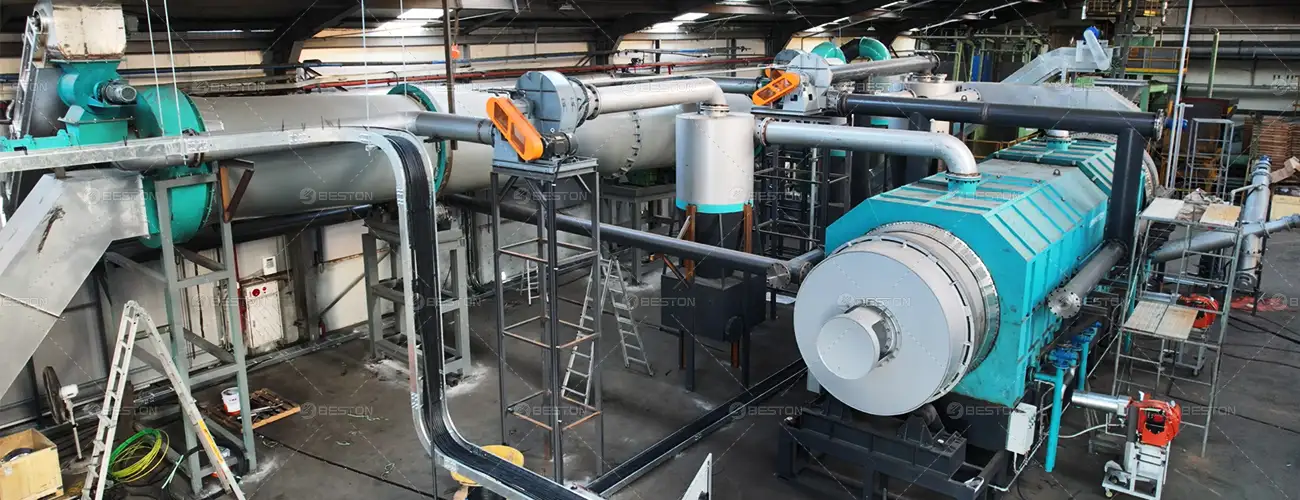
Reactor Configuration and Processing Capacity
Reactor configuration determines how biomass moves through the heating zone, how heat is transferred, and how long the material remains under processing conditions. These factors influence throughput, product yield, and operating stability.
A wood pyrolysis plant should match its rated capacity to the quantity of forestry residues available throughout the year. Oversized equipment can increase capital expenditure and remain underutilized, while insufficient capacity may create processing bottlenecks during peak harvesting periods.
Key selection criteria include temperature control, material residence time, feeding reliability, discharge performance, and maintenance accessibility. Automated monitoring can help maintain consistent operating conditions as feedstock properties fluctuate.
Thermal efficiency is equally important. Effective insulation and heat-recovery arrangements can reduce external fuel requirements. Where combustible process gas is recovered, an appropriately engineered combustion system may supply part of the reactor's thermal demand.
Biochar Quality and By-Product Utilization
The intended application of the output should influence equipment selection from the outset. Biochar properties depend on feedstock composition, pyrolysis temperature, heating rate, and residence time. Higher temperatures generally increase carbonization, although they can reduce solid yield and alter surface chemistry.
Potential biochar applications include soil amendment, compost integration, and certain industrial uses, subject to product specifications and applicable regulations. Carbon removal projects may additionally require contaminant testing, carbon durability assessment, traceability, and independent verification.
Pyrolysis also generates combustible gases and condensable vapors. Their recovery or treatment depends on the plant configuration and project objectives. Product yields should be estimated using representative feedstock trials rather than theoretical values alone.
Environmental Controls and Operating Costs
Sustainable biomass utilization requires more than converting forestry residues into useful products. A properly designed installation must manage particulate matter, organic vapors, combustion emissions, and collected residues.
Evaluate the proposed exhaust treatment system, temperature monitoring, pressure protection, and provisions for safe maintenance. Feedstock storage also requires attention to moisture control, fire prevention, and inventory management.
The economic assessment should include equipment investment, pretreatment, electricity, heating fuel, labor, maintenance, and emissions monitoring. Annual operating hours and realistic feedstock availability are essential when calculating processing costs per tonne.
Ultimately, selecting a wood pyrolysis plant involves balancing biomass characteristics, production objectives, environmental performance, and lifecycle expenditure. A system designed around a reliable forestry-residue supply and clearly defined product specifications provides a stronger technical foundation for sustainable biomass utilization.


No comments:
Post a Comment